Addiction Doesn’t Retire: Substance Misuse and the Aging American with Dr. Lee Tannenbaum


In this episode of Specifically for Seniors, host Laurence I. Barsh sits down with Dr. Lee Tannenbaum, a physician and healthcare leader whose career has been devoted to improving addiction treatment across the lifespan. Together, they confront a growing but often invisible crisis: substance misuse among older adults. While addiction in the United States is frequently portrayed as a youth-driven epidemic, this conversation reveals a more complex and urgent reality—one in which seniors are increasingly vulnerable to alcohol misuse, cannabis overuse, and the abuse of prescribed medications.
As Americans live longer and face deepening isolation, many older adults find themselves navigating chronic pain, grief, and the challenges of polypharmacy. These factors not only increase the risk of addiction but also complicate diagnosis and treatment. Yet the healthcare system, still largely calibrated to younger populations, often fails to recognize or respond to these issues with the nuance they demand.
Dr. Tannenbaum, Senior Medical Director at ARS Treatment Centers, shares insights from decades of experience designing methadone and buprenorphine-based treatment programs, shaping policy, and managing clinical operations through crises like COVID. He and Laurence explore how addiction trends have shifted over the past decade, which substances are driving the most harm, and how mental health challenges intersect with substance use—particularly in aging populations.
They discuss how addiction manifests differently across age groups, regions, and racial demographics, and why older adults are frequently misdiagnosed or overlooked. Dr. Tannenbaum outlines the substances most commonly misused by seniors—alcohol, prescription medications, and increasingly, cannabis—and explains how confusion, falls, and even death can result from unrecognized dependence. He also highlights the role of grief, chronic illness, and social disconnection in triggering substance misuse later in life.
The conversation turns to the clinical blind spots that caregivers and providers often miss, the cultural and systemic barriers that prevent older adults from accessing care, and the need for treatment centers to adapt their models to better serve aging populations. Dr. Tannenbaum offers a detailed look at treatment protocols for seniors, including approaches to managing alcoholism and benzodiazepine dependence in private practice.
They also examine the political landscape, including the impact of recent federal initiatives like the Executive Order titled “Ending Crime and Disorder on America’s Streets,” and how such policies affect harm-reduction strategies and medication-focused treatment approaches. Dr. Tannenbaum shares his concerns about governmental overreach and the erosion of programs like needle exchanges that have proven effective in reducing harm.
Listeners are invited to explore more of Dr. Tannenbaum’s work at addictioncoa.com, and to tune into his podcast, co-hosted with his daughter ,You Don’t Have Struggle (https://open.spotify.com/show/51NIjdp4uhQ1wQ9e1dyYCb) where they delve deeper into addiction medicine, treatment innovation, and the evolving challenges of care.
This episode is a call to action: to recognize that addiction doesn’t retire at 65—it evolves. And if our systems are to meet the moment, they must evolve too.
Dr. Tannenbaum's Book
The Addiction Conspiracy: Unlocking Brain Chemistry and Addiction So You Don't Have To Struggle (https://a.co/d/hDQzAfW)
Sponsorship and advertising opportunities are available on Specifically for Seniors. To inquire about details, please contact us at https://www.specificallyforseniors.com/contact/ .
Disclaimer: Unedited AI Transcription
Larry (00:07):
You are listening to specifically for Seniors, a podcast designed for a vibrant and diverse senior community. I'm your host, Dr. Larry Barsh. Join me in a lineup of experts as we discuss a wide variety of topics that will empower, inform, entertain, and inspire as we celebrate the richness and wisdom of this incredible stage of life.
Larry (00:40):
Addiction in the United States is not just the youth crisis. It's a growing, often overlooked epidemic among older adults. And that includes the abuse of prescribed medications, cannabis, and a alcohol consumption. As longevity increases and isolation deepens, many seniors face unique vulnerabilities, chronic pain, polypharmacy, grief, and the erosion of social support systems. Yet the healthcare infrastructure often fails to recognize or respond to these challenges with the urgency and nuance they demand. Joining me on specifically for seniors today is Dr. Lee Tanenbaum, a physician and healthcare leader who has dedicated his career to improving addiction treatment. He designs medical programs, shapes policy, and manages clinical operations for methadone and buprenorphine based centers. As senior medical director at a RS treatment centers, he leads teams of providers and nurses ensuring high quality care, even through crises like the COVID epidemic. Dr. Tanenbaum has advised Marilyn's Board of Physician Quality Assurance, delivered keynote speeches on addiction management, and provides personalized treatment for opioid and alcohol dependence in private practice. Welcome to specifically for seniors Lee.
Dr. Lee Tanenbaum (02:35):
Thank you so much, Larry. It's a great honor to be here.
Larry (02:38):
It's good to have you. Lee let's begin with the big picture. How would you describe the current state of addiction in the United States today?
Dr. Lee Tanenbaum (02:49):
So there's good news and bad news on, on that front. The good news is, is that I think we have the best understanding of addictive disorders and physiologic dependence disorders that we've ever had. The field of addiction medicine is only about 10 years old as a formal field. We had never seen a living human brain until we had PET scans. And when we developed PET scans in the 1970s, we subsequently were able to see human brains and that were still alive and figure out the the real underlying etiology of addiction. And the Board of Addiction Medicine was created in 2018 literally 10 years ago or almost 10 years ago. And that's the first time that we actually had board certified addiction physicians. So we have a better understanding of the disease of addiction than we've ever had before. And we have physicians who are specialists in that field. On the other hand, the illicit drug supply is insane. The development of designer drugs where people can change one molecule on a drug to get around the legality of an issue just means that we are seeing on the street drugs that we can't even identify. The, the good old days were when people were just using heroin on the street. At least we knew what the drug was. At least we knew how it worked. Now we have people that are coming off the street in terrible condition and we can't figure out what they're taking.
Larry (04:33):
I had no idea that addiction medicine was that new.
Dr. Lee Tanenbaum (04:38):
Yeah, I mean, everybody kind of played around with addiction medicine. When I, I've been in medical practice now for 35 years. When I went through medical school, the only thing I knew about drug addicts was that I didn't want them in my practice. And if they came into my practice, I should refer them to an abstinence-based treatment program. And that was, I, I was a family practitioner before I ended up specializing in addiction. When I first went to my addiction training probably 20 years ago, it was still 50% of the room saying that we should be sending patients to rehab and sending them to abstinence-based treatment programs. And the new younger physicians in the room were saying, well, wait a minute. We have all this new science that we can apply. We can develop new treatment paradigms and new medications. And then it, that went on for about 10 years before actually we became an official board that, that recognized addiction specialists.
Larry (05:39):
As a retired dentist who started practicing in the early sixties, we faced a lot of addicts going from office to office looking for medication and didn't know what to do with them. Didn't know how to report them to authorities or physicians or anything.
Dr. Lee Tanenbaum (06:05):
Yeah, I mean, and for a long time, the, the focus on addiction was the war on drugs, and the goal was to identify the people that were doctor shopping. The prescription drug monitoring program was put in place probably about 15 years ago, but the goal was always just to identify these people and to stop them from doctor shopping and to stop them from getting prescription drugs that they could abuse. But there was never any focus on identifying them for the purpose of giving them appropriate treatment. 'cause We really didn't know what a treatment was. The, the goal was just to stop them from doing something we didn't want them to do, not to treat them.
Larry (06:47):
You mentioned designer drugs. What substances driving the most harm today?
Dr. Lee Tanenbaum (06:54):
So the things are changing extremely rapidly, but we use, here on the East Coast, we use the drug supply in Philadelphia because we have so much problem detecting drugs in individual people, we're, we're relying on is testing drug samples in the community and then extrapolating to try to understand what people are taking. In the Philadelphia drug supply, which seems to be leading the the illicit drug supply in the country we used to be seeing last year that the big drug in the system was xylazine, which is a super powerful horse tranquilizer that ended up in the drug supply. And by the time we recognized it, and by the time we stepped up treatments for it which has taken us a year and got programs in place to deal with xylazine treatment, now it's disappearing from the drug supply.
Dr. Lee Tanenbaum (07:52):
And we're seeing a new drug coming up that's called Meine. I know nobody's ever heard of that, 'cause people in the addiction field have literally just heard of it within the past couple of months. And this is a super powerful tranquilizer that's used in the intensive care unit to sedate patients who are intubated. And now it's being manufactured somewhere, and it's in the illicit drug supply at 10,000 times the dosage that would be used on an ICU patient. And now it's replacing xylazine in the Philadelphia drug supply. Additionally, we're seeing a marked increase in cannabis products, which now THC is legal in a lot of states, but what we're seeing is changes to the typical THC molecule, and we're getting really bad forms of cannabis which is affecting people who are not out on the street buying drugs. These are people who, like some of your patients might be buying legal cannabis from someplace other than a dispensary. And what they're getting is not what they think they're getting.
Larry (09:14):
So the problem is not, quote unquote amateur drug production. This is deep science based novel drug.
Dr. Lee Tanenbaum (09:32):
Absolutely. It's, it's, it absolutely, it's chemists out in the world who are creating these substances. And then it's like a chase <laugh>. Can we figure out what it is while it's, while it's killing people. I don't know if, if you've heard, but in Baltimore, there was two episodes where a a a month or so ago, they had like 25 overdoses all at one time outside one of their methadone clinics. And then fortunately, none of those people died. 'cause They had a great response to that. And then a couple weeks ago, they had another episode of 12 or 15 overdoses at the same place. People supplying the illicit drug chain show up at methadone clinics or show up at places where people are looking to buy illicit drugs off the street, and they just push their new products out. And just like everything else, everything gets pushed on social media and people just wanna try the, the next hottest, newest thing that they think will get them high.
Larry (10:39):
Are these drugs being produced in different countries, or are some of them being produced right here in
Dr. Lee Tanenbaum (10:46):
The states? Some of them are definitely, some of them are definitely being produced here in illicit labs. But a large portion are being produced in China, and they're coming through Canada and they're coming through Mexico, and they're getting into the country
Larry (11:02):
On a different tact. What's the inter intersection of addiction and mental health problems?
Dr. Lee Tanenbaum (11:11):
So there's a, a massive intersection there. 30% of our patients that we're treating for addiction most likely have an underlying mental health condition. The most common ones are depression, anxiety, PTSD that's really it to depression, anxiety, PTSD. We, we do have the, the, the same type of psychiatric disorders in our addiction population as we see in the rest of the population, like bipolar disorder and, you know, schizophrenia, you know, that that is all the same. But depression, anxiety and PTSD are really the big three in our patients that have co-occurring addictive and psychiatric disorders. And that just makes the disease infinitely more complicated to treat because you're dealing with people's psychiatric issues. Some of the medications that we may use to treat those psychiatric issues are potentially addictive and usable. So that leaves us in a quandary. Do we leave their psychiatric disorder untreated or do we try to treat it and try to manage the addictive potential of some of the medications they may be on? It's really complicated.
Larry (12:20):
So this, I was just gonna say, this is a complex subject. This isn't easy.
Dr. Lee Tanenbaum (12:26):
It's, it's extremely complex. And when we take those issues and we combine them with a senior population, it gets infinitely more complex.
Larry (12:38):
Okay. Let, let, let's, since this is specifically about seniors, let's talk about addiction and older adults. Great. What, what are the most common substances that are abused in the elderly?
Dr. Lee Tanenbaum (12:54):
Okay, so the most common ones are alcohol and tranquilizers. And then the next one would be prescribed pain medication or opioids. We talked about how old we are and you know, the sixties were like 60 years ago. So people that grew up in the sixties and they were 20 in the 1960s, they're now 80, and the seventies were, were 50 years ago. So we have people that have been alive for a long time since the drug culture really picked up. Now fortunately, people that have lived that long have avoided the most serious complications of addictive disorders, which is overdose and death. And that's because they probably, for the most part, avoided the opioid epidemic. Although chronic pain is an issue and some of, some of the seniors may be on chronic pain medicine that they absolutely need because of some underlying chronic pain condition. But most likely if they're still alive and, and they're 60, 70, 80 or 90, that they didn't, clearly they didn't die of a heroin overdose in their twenties, which was good. So it's really alcohol and benzodiazepines or tranquilizers.
Larry (14:14):
Let's talk about a little bit about alcohol. A glass of wine with dinner.
Dr. Lee Tanenbaum (14:27):
So a glass of wine at dinner when you're 20 years old is great. A glass of wine at dinner when you're 80 years old may not be so great. Your your ability to tolerate the ill ill effects of alcohol are greatly diminished as you get older, just like your ability to tolerate any other type of injury that we, we talked about offline a little bit. So elderly people are exquisitely sensitive to the ill effects of anything, including alcohol. So a glass of wine at dinner, which doesn't meet the definition of an alcohol use disorder because of the quantity might still be a problem for somebody who's elderly. Now, there's beneficial effects to alcohol. A glass of wine at dinner is also a social interaction. A glass of wine at dinner where you have with friends is a, keeps people involved, keeps people active. So there's benefits to alcohol use, but there are still ill effects may not be significant. And at some point there's ill effects to everything. But there are ill effects.
Larry (15:46):
You mentioned cannabis developments alterations. I know that a lot of seniors feel cannabis is in a innocuous,
Dr. Lee Tanenbaum (16:05):
So that's, that that's pretty true. If what they're taking is true, the active ingredient in cannabis is delta nine, THC. That's what grows in the plant. That's what grows in the buds. That's what people have enjoyed since the sixties and the fifties and the seventies and the eighties. But what's happened today is that if you take the hemp plant, which has other psychoactive ingredients in it, not just delta nine THC, and you take millions or thousands or millions of those plants and grind them all up and mush them together and extract the psychoactive chemicals with benzene and concentrate them, you can make other cannabinoid products that will have psychoactive effects, but they're not Delta nine, THC. The most significant one is Delta eight, THC. They move one molecule. They, it's not, they, it's a plant product. It exists in the hemp plant in such microscopic amounts that it never was anything.
Dr. Lee Tanenbaum (17:17):
But now if we concentrate it through artificial means we can concentrate this Delta eight THC, which is really bad. It creates a lot of psychotic breaks. It makes people feel terrible. And because it's not Delta nine THC, it's actually not illegal and it's never been illegal. So you can take a bunch of Delta eight THC, which you can't smoke because it's concentrated chemicals, but you can put 'em into a gummy and you can sell them any place at a gas station, at a cannabis store. So a, a big issue is that people that don't go to a dispensary where, where you have to show your driver's license or you have to show identification, and it's a licensed state dispensary where you get Delta nine THC. If you don't do that, and you instead go to the local cannabis store and buy whatever gummies they're pushing you, you just don't know what you're getting. And most likely it's Delta eight THC or some other group of cannabinoids. And, and they're not regulated. They're not consistent. You don't know what you're getting from one batch to the other. You don't know where it's coming from. You don't know how it's been processed, you don't know how it's been concentrated. It's a crapshoot.
Larry (18:43):
And this is not illegal.
Dr. Lee Tanenbaum (18:46):
This is not illegal.
Larry (18:50):
Is there any way to tell what you're getting?
Dr. Lee Tanenbaum (18:54):
If you buy it from a dispensary, then it's regulated and it's licensed, and you're getting Delta nine THC. If you're gonna smoke cannabis and you get a bud, then you know that it came from a plant and you can smoke it. And what you're getting is Delta nine, THC. If you're taking a gummy that didn't come from a dispensary, you have no idea what's in it.
Larry (19:21):
And all of this in seniors is enhanced by chronic pain, grief, polypharmacy, depression, and all of this complicates diagnosis and treatment.
Dr. Lee Tanenbaum (19:38):
So it, it literally makes diagnosis and treatment impossible. So, you know, things that seniors are often have problems with are falls, malnutrition, sleep disorders, cognitive impairment, delirium, depression, fatigue. So if, if somebody comes to a physician with those complaints, is it because of their age? Is it because of their polypharmacy? Is it because they're drinking a glass of alcohol a night, which in a 20-year-old wouldn't set off a trigger in anybody's brain? Or are they taking some THC gummies, which the provider assumes are Delta nine THC, which they may not be. So, you know, you, you've been to your doctor's appointment, you have five minutes with your doctor, 10 minutes if you're really lucky, and you're rattling off your complaints and your issues and your concerns, and the doctors trying to tick through them in their head. And when you say, I drink a glass of alcohol a day, that may not click, that, that might be significant because that's not significant in somebody that's not a senior.
Dr. Lee Tanenbaum (20:57):
And when you say, I'm, I'm taking, you know, a THC gummy every night to help me sleep, that may not click to ask you, where are you getting that gummy from? Because most doctors, if you're not in the addiction field, are not gonna be focused in on the fact that the gummies that you get from the cannabis store are not the same as the gummies that you would get from a licensed dispensary. So it's not diagnosed, it's not picked up. And even if it is, it's still, we're still left with a confusing set of symptoms and problems. And what intervention should we advise?
Larry (21:36):
So my, my next question was gonna be, are there specific signs of substance misuse in older adults that caregivers and clinicians often miss? But you answer that.
Dr. Lee Tanenbaum (21:51):
Yeah. And, and that's why it's so difficult to diagnose addiction in older adults because our diagnoses of addiction are primarily based on quantity, which most older adults don't exceed. But their tolerance to those quantities is much diminished. And the other diagnosis of addiction, the other criteria is a failure to meet your obligations. So if you're not working and you don't have to take care of childcare and you're not driving and you don't have any real world obligations because you're a senior citizen that's retired and, and don't, doesn't have to work anymore, you know, what obligations are you missing that I could look at and say, oh my God, your alcohol use is preventing you from going to work every day. Your alcohol use has caused these 17 DUIs that you have. I I, I can't say that you don't have those consequences if you're a senior citizen that's retired. So you have less obligations that I can point to that you're not fulfilling and your tolerance is much lower. So you don't meet the quantity criteria.
Larry (23:07):
And, and the complication that comes in the fact that the symptomatology can easily be confused with the aging process
Dr. Lee Tanenbaum (23:22):
Or 10 other symptoms, <laugh> or 10 other etiologies. Correct.
Larry (23:27):
If you do diagnose an older adult as having a an addiction problem, is the medical care the same as any younger person?
Dr. Lee Tanenbaum (23:43):
Not really. Because like I said, the, the, the diagnosis, I mean, the medical care that we have for addiction patients is really geared towards those who are very severely ill and at risk for overdosing on the street. So our medical care is very intensive for very sick patients. And our senior citizens who may have an addiction problem aren't that sick. They've already lived to be 80, 90, 95, a hundred. It's hard to say, oh my God, we have to put you in rehab because you can't drink anymore because your alcohol use is killing you. You made it to 80, you're, you're, you're probably pretty good. So the intensive treatment that we have designed to protect young people from the incredible consequences of addiction just aren't appropriate for somebody that's not gonna be at risk for those incredible consequences. It's unlikely that a, a, a senior citizen's gonna overdose and die because of their illicit drug use, although they could fall and break a hip and have consequences from that. And nobody will be able to tie it back to the fact that maybe they were taking too many tranquilizers. Because when we look at the dosages, they're not gonna seem out of whack, did I make this problem any easier for you? No
Larry (25:16):
<Laugh>. So what do we do?
Dr. Lee Tanenbaum (25:20):
Okay, so here's what you do. So the only answer is to educate people. And the only answer is to let senior citizens know, which is why a forum like yours is so important that maybe they should consider cutting back on the alcohol they use, not to the point where it's gonna interfere with your social life. And not to the point where you're gonna, you know, become a recluse because you can't have a drink. But maybe instead of having a drink every night with dinner, you should have a drink three nights to a night with dinner. Maybe instead of having a full glass of wine, you should have a half glass of wine. Maybe instead of having a beer, you should have a non-alcoholic beer. So there's ways that if people understand the risks that they're subject to, then they may, with education, be able to minimize their own risks.
Dr. Lee Tanenbaum (26:14):
Same thing with cannabis. I don't think I care what cannabis people use. Just go to a dispensary and get it, and then at least you know what you're getting, then at least you know what the strength is, then at least you know what the effects are. And you can self titrate. Don't take the easy way out and go to the gas station or the cannabis store across the street and buy some CBD product or some gummies that are marketed as sleep gummies or pain gummies, or whatever they're marketed as. Just know what you're buying. And then the third thing is, is the really, really the, if you're on opiates, I'm, I, I'm sure that everybody knows the risks of opiates, but at this point, most seniors are not gonna be able to discontinue their opiates, and they probably don't have that much risk from prescription opiates.
Dr. Lee Tanenbaum (27:06):
I'm assuming that most people aren't buying opiates off the street where they're gonna get contaminated drugs. But if you're getting prescription opiates to come from the pharmacy, you most likely have been on 'em for a long time. You already have a tolerance to them. It's unlikely that most seniors are gonna have terrible effects from that. But the, the tranquilizers, the benzodiazepines like Xanax and Klonopin that people have possibly been on for years and years and years, and they don't think they can get off of them, those really have been shown to cause significant problems in senior citizens as far as confusion falls. And those are really possible to taper off of as long as it's done extremely slow. I mean, like over a year. I mean, maybe dropping your, your Klonopin dose by half a milligram a week or half a milligram a month or your Xanax dose by half a milligram a week or half a milligram a month.
Dr. Lee Tanenbaum (28:04):
But there's been studies that have shown that if we really take our time and we really slowly drop people off of their tranquilizers, we're able to do it successfully. And there's a marked benefit that we see in decreased falls. Decreased confusion, decreased delirium. You know, a lot of times people started on tranquilizers when they were in their fifties or forties or thirties or sixties because they were anxious and they've just been taking the same tranquilizers for the past 40 years. And the reality is, is that we can really look at discontinuing those if we do it really slowly. And then there's things that people can do. You know, when you were anxious in your forties and you had three kids to raise and you had to get to your job every day, maybe taking a pill was the best way to deal with that anxiety. But now, at a different point in life, you know, there's cognitive behavioral therapy, there's exercise, there's tai chi, there's meditation. You have way more time that you can apply some other therapies and you should theoretically have way less stressors. 'cause You're not raising kids, going to work, doing whatever. It, it's a really appropriate thing to readdress how you might wanna treat your anxiety, your depression, your sleep disorder, trying to avoid those drugs that have potential side effects. <Affirmative>,
Larry (29:32):
Is there any specific role that geriatricians can play in this?
Dr. Lee Tanenbaum (29:39):
Sure. And and we talked about most of those, just being aware of the addictive potential that a glass of wine a day in a geriatric patient is not the same as a glass of wine a day in a 20-year-old or a 40-year-old. That when somebody says that they're using THC gummies to help them sleep, you need to ask people where they're getting the gummies from <laugh> and sleep disorders and anxiety. You know, everybody's very reluctant to take people off of medications that they've been stable on for 20, 30, 40 years. Especially when patients are saying, you know, I can't go without my Xanax. If I don't take my Xanax three times a day, I'll be a basket case. That, that's probably not the case. Maybe that would've been the case 30 years ago. But there's some other alternatives now that people have more time and, and less stress.
Dr. Lee Tanenbaum (30:31):
So I mean, those are really the big three aware, aware of alcohol consumption, that the amount is different, aware of what THC gummies means to different people, and really trying to focus on tranquilizers that people don't wanna get rid of, but you really could get rid of them. And actually, in that respect, I think most geriatricians are pretty aware of that because of the polypharmacy issue. And the first thing they always wanna get rid of is the tranquilizers, because they markedly increase the fall risk and, and that's appropriate. So it's really alcohol and the THC products that are, that are falling behind a little bit.
Larry (31:09):
Unfortunately, we can't have any sort of medical discussion today in the United States without consideration of the politics involved. Yeah. The White House has issued an executive order ending crime and disorder on American streets with homeless individuals and drug addiction. How has that affected medication focused treatment approaches?
Dr. Lee Tanenbaum (31:42):
So the first thing I said was that we knew more about addiction treatment and the disease of addiction now than we've ever known before. And that's all true. And now with a stroke of a pen, that knowledge is being pushed aside. Samhsa, the Substance Abuse and Mental Health Services Administration, which for 50 years has been the, the government arm pushing addiction education and addiction research, and addiction treatment has basically been eliminated. Everybody's been laid off. The, the, the head, the head of the organization has been cut. So there is no advice coming out of the federal government as far as how to treat patients with addiction other than what's coming out of RFKs mouth, which is that we should round up the homeless people. We should round up to people with addiction, and we should send them to abstinence-based treatment camps where they will have the ability to get their lives in order, find God, and, and be better. So with the stroke of a pen, we can just take those 50 years of 60, 70 years of research and knowledge gaining and just throw them out the window and go back to where we were abstinence based, forced treatment. It's, it's, it's, it's terrible. That's, there's no answer for that. It's just terrible. We're, you know, we're,
Larry (33:04):
That's like treatment from the fifties and sixties.
Dr. Lee Tanenbaum (33:09):
Yeah, absolutely. You know, let's, let's go watch, you know, one flew over the Cuckoo's Nest, and let's go back to doing that. Let's do lobotomies and put people in jail and, and, and for, I mean, it's, it's just insane. Hey, look, we're not gonna monitor the weather anymore. We're not gonna, we're not gonna help people with disasters. We're not going to treat addiction like we should be. We're not. I mean, we're, we're just, we're make, we're making America great again.
Larry (33:34):
And needle exchange programs gone.
Dr. Lee Tanenbaum (33:38):
Oh, forget. Yeah. I mean, specifically the, the code that you, that you cited, you know, basically eliminates our entire concept of addiction treatment, which is harm reduction. Our goal is to keep people alive, to keep people coming into treatment and making little tiny changes as opposed to demanding abstinence on day number one, as a precursor to treatment. We don't, you know, we don't demand that our diabetic patients get their blood sugars down to normal range on day one of treatment, or we're gonna withhold their insulin from them. We provide them with medication and education and keep them engaged in treatment because over years, one, we can keep them alive, and two, we can get their disease under better control, which is the same thing that we can do with people with the addictive disorders. But that's not the policies of the current administration.
Larry (34:37):
And right now, our treatment planning is based on blowing up boats in, in the ocean.
Dr. Lee Tanenbaum (34:45):
Yeah, absolutely. And tearing down the White House and it's, I I, you know, I'm sure your, I'm sure your listeners know what's going on. And, and so we have, I run a, a big group of treatment centers. And literally when that, when that order came out, basically eliminating harm reduction, which is what we do now, and I know that one of the ways that the current administration looks at things is they use AI to scan written material. And then they, they pull out things that are annoying to them, which is why the airplane that dropped the atomic bomb, the enola gay, it's why they had to change that name, because the word gay was picked out of the, the, the literature by an ai. So when that, when that edict came out from the administration, I went through our, our procedure manual, and I looked for every place that I saw the word harm reduction. And I changed it to something else because at some point this is amazing that I'm worried about this in the United States, some point somebody's gonna scan our written materials with an ai, and if they see the word harm reduction, they're gonna, they're gonna pull our license. And I have to go through and I have to preed preens our written materials to make sure that that doesn't happen.
Larry (36:15):
You talk more about addiction at your website. Do you wanna mention your website?
Dr. Lee Tanenbaum (36:20):
Yeah, we have a website for, for patients, that's the addictioncoa.com. That's Addiction Centers of America. But that was too long. So I made it addictioncoa.com. That's where we're offering treatment to patients. But what I'm trying to do now is get more physicians interested in treating addictive disorders as the medical system falls apart. I'm, I'm looking to find physicians who wanna do what I've done, which is look at open a private practice and treat addiction patients on a one-on-one basis. 'cause I don't know what systemized medicine is gonna look like in five years. And I don't know what regulated medicine is gonna look like as far as treating addiction patients. So I think there's an opportunity for physicians to step out on their own and kind of go back to the way we used to do things before HMOs and insurance companies took control of everything..
Larry (37:17):
Anything we missed you wanna bring up?
Dr. Lee Tanenbaum (37:20):
No, I think that's great. I really appreciate you having me on the show. I, I, I planned my three takeaways, which was watch your alcohol intake, see if you can get, taper off your tranquilizers and get your THC products from the dispensary. I think if people listening to this can do those three things, that's really a tremendous improvement in, in your, in your listener population.
Larry (37:44):
Lee, this was fascinating. You brought up stuff that I've never heard of, and I'm sure it's enlightening to most of the listeners. Thanks for coming on specifically for seniors.
Dr. Lee Tanenbaum (37:56):
Thank you so much, Larry. And just let me know if I can ever do anything else for you or your listeners.
Announcer (38:06):
If you found this podcast interesting, fun, or helpful, tell your friends and family and click on the follow or subscribe button. We'll let you know when new episodes are available. You've been listening to specifically for seniors. We'll talk more next time. Stay connected.
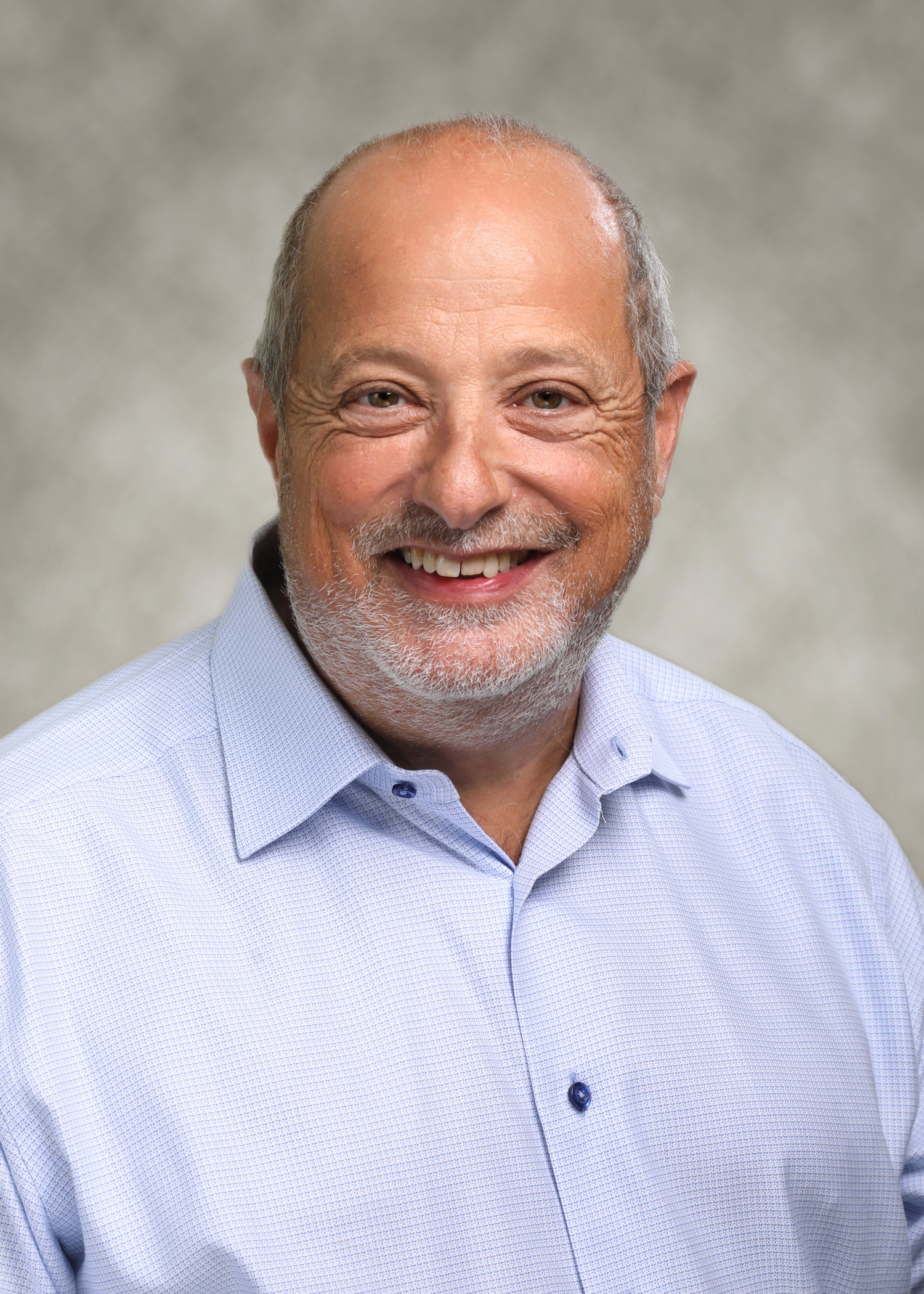
Addiction Medicine Specialist
Dr. Lee Tannenbaum is an accomplished physician who specializes in optimizing healthcare services to support patients struggling with addiction. To achieve this goal, he specializes in developing medical programs, creating policies, and managing clinical operations for methadone and buprenorphine-based treatment centers. He has spent his career promoting healthcare accessibility, championing EMR implementation, and leading healthcare professionals to ensure delivery of proper care.
Throughout his career, Lee has successfully supported patients by overhauling business operations, advising the Board of Physician Quality Assurance (BPQA) in the state of Maryland to improve patient care delivery, and delivering keynote speeches to inform numerous professional groups on effective practices for managing addictions. Additionally, he delivers personalized medication treatments in a private practice setting to support patients battling opioid dependence and alcohol abuse.
In his current position as Senior Medical Director at ARS Treatment Centers, he plays a critical leadership role in overseeing clinical operations for a staff of mid-level healthcare providers and nurses. He promotes optimal treatment services by training, mentoring, and leading the medical staff. During the COVID epidemic, Dr. Tannenbaum managed critical incidents, spearheaded necessary policy modifications, and ensured the availability of high-quality treatments during the peak of the crisis. He focused on identifying best practices and removing barriers to treatment, which led to organizatio…Read More