Getting Older Without Getting Old with David Cravit and Larry Wolf


In this episode of Specifically for Seniors, Dr. Larry Barsh welcomes David Cravit and Larry Wolf, co-authors of Super Aging: Getting Older without Getting Old and the Super Aging Workbook. Together they explore how aging can be reframed as a stage of opportunity rather than decline. Drawing on decades of experience in advertising, branding, and consumer trends, they describe how the concept of “super aging” challenges stereotypes and offers a positive, purposeful approach to later life. Cravit explains that his earlier work focused on how baby boomers resisted aging the way their parents did, while Wolf emphasizes the importance of branding aging as something vibrant and fulfilling. They contrast “default aging,” which assumes passivity and decline, with “super aging,” which embraces growth, activity, and accomplishment well into one’s eighties, nineties, and beyond.
Central to their philosophy are the Seven A’s of Super Aging: attitude, awareness, activity, accomplishment, attachment, autonomy, and avoidance. Attitude is the foundation, since optimism and resilience have been shown to reduce stress and inflammation, leading to longer, healthier lives. Awareness means staying informed about new developments in health, longevity, and technology. Activity involves both physical and mental exercise, from simple daily movement to challenging the brain with new skills. Accomplishment stresses the importance of purpose and “unretirement,” encouraging older adults to pursue new careers, volunteer work, or creative projects. Attachment highlights the value of relationships and community, while autonomy focuses on maintaining independence through health, technology, and financial planning. Avoidance reminds seniors to guard against scams and resist ageism, which remains pervasive in healthcare, consumer culture, and everyday interactions.
Throughout the conversation, Cravit and Wolf illustrate how small lifestyle changes, such as “exercise snacks” or food swaps, can make a big difference. They share stories of individuals who set long-term goals well into their later years, including a woman who enrolled in college at ninety-seven and graduated at one hundred and one. They emphasize that super aging is not about denying the realities of health challenges, but about actively managing wellness, protecting brain health, and continuing to engage with life.
The workbook they created provides quizzes, checklists, and exercises that help readers define goals, assess attitudes, and put these ideas into practice.The episode also addresses ageism in subtle forms, such as patronizing language or stereotypical holiday gift lists, and calls for seniors to claim dignity and individuality rather than being treated as passive or helpless. Technology is discussed as both a challenge and an opportunity, with podcasts, YouTube, and digital platforms offering new ways for older adults to connect and learn.
Ultimately, Cravit and Wolf argue that aging should be branded not as decline but as super living, a time to thrive, grow, and contribute. Their message is clear: with the right attitude and awareness, seniors can embrace autonomy, purpose, and joy, proving that getting older does not mean getting old.
Resources
Super Aging: Getting Older without Getting Old (https://www.amazon.com/SuperAging-Workbook-David-Cravit/dp/1964721210/)Super Aging Workbook (interactive guide with quizzes and exercises)
SuperAgingNews.com – curated articles on longevity, health, and aging trends (https://www.superagingnews.com)
Sponsorship and advertising opportunities are available on Specifically for Seniors. To inquire about details, please contact us at https://www.specificallyforseniors.com/contact/ .
Disclimer: Unedited AI Transcription
Larry (00:07):
You are listening to specifically for Seniors, a podcast designed for a vibrant and diverse senior community. I'm your host, Dr. Larrybarsh. Join me in a lineup of experts as we discuss a wide variety of topics that will empower, inform, entertain, and inspire as we celebrate the richness and wisdom of this incredible stage of life.
Larry (00:40):
Welcome to, specifically for Seniors, the podcast that explores the ideas, people, and movements shaping life after 60. I'm your host, Dr. Larry Barsh. Today we're joined by two voices who are redefining what it means to grow older. David Cravit brings more than 30 years of experience in advertising, marketing, and consulting across Canada and the United States. He's the author of the New, old and Beyond Age Rage books that explore how baby boomers are reinventing, aging and reshaping society. Larry Wolf's expertise is in identifying important consumer trends and capitalizing on them as CEO of the Wolf Group. He has advised many Fortune 500 companies and governments on their branding and communication strategies Together. David and Larry are the authors of super aging, getting Older without getting old, and its companion super aging workbook. They co-founded super aging news.com, a rapidly growing digital information service that delivers the latest news ideas and trends about living longer, healthier, and more fulfilling lives well into our eighties, nineties and beyond. David and Larry, welcome to specifically for seeing his. Thank
Larry Wolf (02:25):
You for having us. Great to be here. Thank you for inviting us.
Larry (02:29):
Let's to get started, how did you two get together? You seem to come from different back backgrounds.
Larry Wolf (02:36):
Well, we worked together umpteen decades ago when I had started a small advertising agency, and Toronto was our second office. And David was my first creative person. And we've been friends for many years and I've read David's books and they're you know, very informative very impressive. And it triggered in me the idea of positively branding, aging being a super agent myself as I grew older, I account encountered more and more ageism, whether it's in the marketplace, the medical community politically, wherever. You know, so I, I thought there was really an idea to positive brand aging as people began living a lot longer with all the advances in medical technology.
David Cravit (03:42):
And I, and I had, and I had stayed in touch with I, I went off and joined another ad agency eventually, and we were friendly competitors who kept an eye on each other. We were luckily and very different sectors of advertising. I spent my new firm specialized in working for retail chains, and Larry was a specialist in packaged goods consumer branding. So we, we were in the same space, but not really head to head. And we stayed in touch and watched each other's progress and knew of each other's comings and goings. So when Larry came up with the let's, how about if we branded, what a, what a concept. I mean, and we're branding. We're not branding coffee and cereal and motor oil. We're branding the whole idea of aging and the word super aging, which we did not coin. It was out there, seemed to be a, a good way of describing a new approach to aging.
David Cravit (04:38):
And it's important to note that my earlier stuff was about marketing and attitude and how the baby boomers, which we all are, I take it on this podcast were determined not to age the way their parents had aged. I'm not gonna be a geezer like my dad and my grandpa. I don't, I don't wanna get old. In fact, that boom, baby boomers did not wanna get off the stage at all. But that was not contingent on living longer back. But I wrote my first book in 2 0 8. It was an attitude thing. Now along comes longevity. So now all of a sudden, the boomer generation who are not predisposed to behave like old fuddy duddies anyway, see the opportunity of actually living longer and living healthier and living, I can actually, I don't need to <laugh>. I can get older chronologically because Larry, all, all of us are gonna be an hour older an hour from now.
David Cravit (05:34):
That part can't stop. Okay, fine. But why do I need to be quote old? I can actually go on and on and the fastest growing age group in America today, in percentage terms, I admit. So it's a little bit of a math trick, but the fastest growing age group are centenarians 101,000 centenarians in the USA. It's, it's not a it's a big deal, but it's not a swerve your car off the road deal anymore. Mm-Hmm <affirmative>. The, the, so anyway, the boomers have, luckily we are the luckiest generation. 'cause We, our attitude, we don't wanna get all, all of a sudden science is unleashing all this potential for us, and hence a new breed of people that are aging differently.
Larry (06:17):
One of us sitting here is beyond being a boomer <laugh>. That's
David Cravit (06:22):
Yes. Yes.
Larry (06:24):
Yeah. Me. you say branding, how does that concept come into super aging? What do you mean branding about it?
Larry Wolf (06:37):
Well as, as David said so many people have an attitude that you know, David has identified as default aging. You, I'm getting older there's nothing I can do about it. I should minimize the pain, minimize the negativity. Well, I thought there was really an opportunity to help people look at aging in a very positive way. That even though I'm getting older you know, and myself being a good example, I can't ski down the hill very, very fast, but I can play golf, I can do tai chi. So life can be rich, life can be very fulfilling. And super aging, I think's just a very good way of summarizing that concept. And yo really you know, just crystallizing the idea of a positive attitude towards aging.
David Cravit (07:44):
And we, and in a classic branding strategy, we create the anti brandand. And the anti brandand is default aging, in which we mentioned in our book a Default Aging says at 65, I retire, I'm playing defense. Sure, I'd like to live longer, that's fine. But the best I can hope for is a relatively pain-free glide path to the finish line. Certainly not enough time to do anything new and exciting. We define that as default aging. Are you a default aging default agent? That's your brand. Super Aging says, wait a minute, at 65, and we use 65 'cause it's the traditional age of retirement, social security, blah, blah, blah. At 65, I could have 30 or 40 years to go. And I'm not gonna just sit in a rocking chair and play cribbage for four decades. I could start a new business. I could start a new career. I can learn a new language. I can have experiences that I've never had before. I can accomplish things that I've never done before. So it's, I'm not just surviving, I'm thriving. And that means that, that makes me a super in contrast to a default pager. And that's where the branding came in.
Larry (08:57):
I wish I had a button here that would start some applause for that last statement. <Laugh>, thank you. Thank you. I'm with you 100%, by the way. What is super aging? What are the qualifications to be a super
Larry Wolf (09:19):
Well, it, it's fundamentally an attitude. Attitude is the most critical variable in super aging. It's really the first of the seven as of super aging. And if you believe that life can be fulfilling as you age that every day can one way or another be great and enjoyable that you can still have a, a very, very rich life experience. You're really super agent and from attitude really follows a lot of the other seven As. But really the key attribute of super aging is the attitude that you have towards aging. And that is you're gonna enjoy life and you're gonna have a, a great fulfilling time in your later years.
David Cravit (10:12):
And we've linked that. And you would've, you know, you would understand this from a, a medical point of view, obviously, Larry. That it's not just a generically nice thing, be positive, sure, why not? You know, it's better than being negative, but they've traced it down to the cellular level of benefits that they, they study after study. People with a positive attitude live longer than people with a negative attitude. Why? Because they have less stress and stress causes inflammation. And inflammation is associated with most age related diseases. So they've actually proved biologically, and we write a lot on our website is, okay can you teach yourself to be optimistic? Can you teach yourself to have a positive attitude? What if you're just naturally a glass half empty guy or a woman? And the answer is yes, there is, there's studies that prove that if, if you're gonna do this just in order to live locally. So I'm by nature a pessimist. I tend to look and I wanna become an optimist. 'cause I'm, I wanna live well, I wanna have this attitude. Can I get it? Yes you can. And that's one of the things we write about.
Larry (11:22):
You mentioned that there are seven A's
David Cravit (11:25):
Yes.
Larry (11:26):
Can we talk about those?
David Cravit (11:28):
Sure. Let me, let me kick off with the, the, the big two. Well, we've touched on the first one attitude, which is like the umbrella that imagine our umbrella. And all the other six are underneath it. The second one is awareness. And that's because you do need to do a little work at this. And there is such a flood of new information on healthy aging and longevity, whether it's diet, fitness, technology, ai you need to keep up to date with it. And that's really why we wrote the book and why we spun off the website is because how do you cope with the flow of information? And we're not scientists. We're not doctors, we're not nutritionists. We're not fitness trainers, we're not financial planners. So we see ourselves as the curators, the organizers we're producing the little reader's digest. If you, we go out into this crowded information landscape and we find the nuggets that you need to know about, and we serve them up to you in a kind of a systematized way. So if you start off positive, a attitude, if you then say, I am determined to learn and keep learning and keep exploring, and our audience is very engaged. They're proactively active seekers of this information, and we don't need to ram it down their throat. They want it. That's the awareness that sets up the other five. And I'll hand off to Larry for, to, to quickly recap those.
Larry Wolf (12:59):
Well, the third and very critical super A is activity and just simple phrase that applies to virtually everything. You use it or you lose it. You know diet, a lot of very good stuff's been written in that. But simply you know, a fundamentally vegetable diet. You know, avoid sugar, avoid process foods you know control what you eat. And above all, enjoy your meals. Meals are a great, you know, social occasions. So food should not only be good for you, it should be good. Exercise very, very, very critical. But very simple. You know, you, you need to you know flexibility, aerobics, balance, breathing, strength training all important. But there's some been some very interesting research that you can do. Exercise snacks like little five, 10 minutes spurts of exercise throughout the day.
Larry Wolf (14:20):
So you don't have to do a big long workout and you don't need a gym, a lot of fancy equipment. You can really maintain a very, very healthy exercise program at home. You just have to have the self-discipline to do it regularly. And next, and very, very critically, you need to exercise your mind. Mental exercise is as critical as physical exercise. You need to keep challenging yourself with new things. Learn new skills that are a little bit difficult. Right now, I'm being taught Tai chi, Tai chi swordsmanship by my tai chi master. Very, very challenging, very difficult for me. So you have to keep challenging yourself with things that really stretch your mind. Even new experiences, travel you know, all wonderful. So basically that's activity. Next is accomplishment.
Larry Wolf (15:38):
You need purpose in life. You need a goal. You need to work at something, whether it's you know, a a new version of your, your previous career, whether it's going back to school, whether it's new part-time gigs, whether it's volunteer work whatever it is you need to work, you need to do something that gives you a sense of purpose and achievement. One of the sections on our website, which is a lot of interesting stuff, is we call unre retirement. So you can never retire. You must, in a very purposeful way, be focused on something. The next critical seven a attachment. A lot of science, a lot of research in this relationships are just so critically important. I'm very lucky in that I've been married to the same wonderful lady for about 60 years. You know, I have great kids, grandkids.
Larry Wolf (16:50):
So, you know, not only family, but beyond family, you need to maintain and continuously you know, expands, strengthen your relationships. The internet you know, makes it very easy to maintain contact. You need to build new relationships. You know, my son who's turned 50 for instance, is on a hockey team, and he is made a lot of new hockey friends. So you know, so many, many ways to maintain and expand relationships. So attachment, very very critical. Okay the next autonomy. You need to maintain your independence both physically and financially. And this is a really interesting area because a lot of in incred, credible things are happening with age tech. They're doing extraordinary things with robotics, particularly in Japan. You know, where people who are aging at home have robotic aids.
Larry Wolf (18:13):
So a lot of technology to help you maintain your autonomy, your independent living. And secondly, obviously, if you're gonna live to a hundred you've gotta be able to finance it. So the whole idea of ma managing your money, maintaining financial independence really has shifted somewhat to accommodate your longevity. And lastly avoidance. We, older people tend to be the primary target of scammers. And with all the very sophisticated AI out there scamming has got much more sophisticated yo your voice can be digitally imitated. Now they're doing unbelievable things with images. So a lot of very tech savvy fraudsters out there. So you really need to be on your guard for that. The other thing that drives me crazy is ageism. The older I get, the more I see it. You know, that well, yo, you're old. You know it's not like you know, medically you know, we need to focus resources in younger people. This is a particular problem in Canada. There's ageism in the marketplace. There's ageism really everywhere as you go. And that in a nutshell is the seven, as David and I can spend hours amplifying each of them.
Larry (20:06):
When you, when you mention ageism, we're coming into the Christmas season with gift giving. One of the examples that I've been seeing lately is ageism in the form of suggestion lists. Lists as to what? To get seniors for the holidays. Yes.
Larry Wolf (20:27):
Yeah.
Larry (20:28):
Some of the idea, I don't want a bird feeder to sit outside my window. I'm sorry. Yeah. I've gotta do more than watch birds eat <laugh>. So,
David Cravit (20:40):
But it's, but it's interesting, you know, it's a very interesting example because if you were younger, somebody would do that, who knows you and thinks it might be a good, you wouldn't give it any thought. You're getting a bird feeder for a 40-year-old or a 30-year-old. So, well, here's where they live. They have a nice yard there. I mean, it wouldn't attach to age. It would be, I think Mary Lou would like this. It would just be, and they probably somebody who knows you well, you might already be a, a bird enthusiast, or, but all of a sudden you reach a certain age and there's an assumed stereotypical assumption of, you know, passivity and you know, not too challenging. And that's what makes it ageist. I mean, there's a, there's a whole bird feeder industry and God loved them, but when they assign it, when the reasoning, when the underpinning is ageism, it is definitely, you're quite right.
David Cravit (21:34):
You're quite right. We also had a, a story on our website about elders speak, which is becoming recognized now. There's actually research. And you know, sweetie, dear yeah. Talking in a high falsetto, oh, isn't she cute? Oh, hi, dear. You know, and it's, it's very <laugh> condescending. But, but behind it, there's a lethal underpinning. Larry touched on it, for example, in healthcare. They've, they've studied this he's too old. We won't bother with this treatment. Now, why should we spend the resources fixing this? Now look at how old he or she and they're saying, or we, they don't take your complaints seriously. Oh, you know, they're old. They're just complain. And they're, it's estimated that it costs the US healthcare system 300 billion a year in acute care that is needed later because something was dismissed earlier on grounds of ageism. So there, some of this is quite serious. It isn't just style points, you know?
Larry (22:42):
Yeah. You go into the supermarket and the person behind the deli counter, what can I get for you today, sweetie?
David Cravit (22:50):
Exactly. Uhhuh. Exactly.
Larry (22:52):
You wanna start a relationship with me. Is that the story?
David Cravit (22:55):
Yeah, exactly. Exactly. And it's, and it's not coming from a point of meanness or nastiness, but it's condescending and it feeds the image of, sweetie, she's nearing the end. Let's be kind to her, which is great, you know, but she doesn't have much time to go. She's probably pretty helpless. She doesn't deserve to be treated as a functioning adult.
Larry (23:21):
Of those seven, which do you think is the most important? Is there one?
David Cravit (23:27):
Well, without, I, I don't know if one is the most important, but if, if, if you take away one, do not be, the rest cannot happen would be attitude. If you believe, if you're a default agent, it goes back to the branding. If you, well, you know, I had a, I had a good run. I'm 65. I can't wait to retire and take it easy. And I sure don't have enough time left to do anything new. If that's the attitude piece, then the other six won't really follow, because you're gonna say, well, what do I need to learn about all this new stuff for, I'm not gonna be around. So I don't bother with awareness. I don't really have a, a strong purpose. I've given up on working. I'm not really working hard on new stuff to protect my brain. And, you know, Larry mentioned the need to exercise the brain, and that has been proven to be a factor in wording off dementia and all also cognitive decline. Why I be around long enough for all that. So if you subtract, if you kick the props out from under the seven, and you took away attitude, I think the rest of it wouldn't happen.
Larry (24:37):
So what word do you use beside retire?
Larry Wolf (24:42):
Unretire.
David Cravit (24:43):
Unretire? Well, we use Unretire because retire is so familiar, so people get it right away. What do you mean unretire? So it's a good shortcut, but but unretire says it because it means I'm doing something purposeful. It doesn't mean necessarily you're staying in the job that you had before, although people are staying in the workforce longer and longer. Maybe it's a new business, maybe it's a side hustle, maybe it's a volunteer and all of the above. But unretire is the watch word of super agent.
Larry (25:17):
You followed the book with the super aging workbook. Yes. How does that differ?
David Cravit (25:24):
It's got, it's got to pick up a pen, open it up and write in it. It's got checklists and quizzes and worksheets that put into practice illustrate the points made in the book. So it's basically coming back to the book and saying, okay, try this quiz and see how you do. Oh, look, I didn't realize I had this attitude. Or fill out this checklist, or fill out this questionnaire, or write something. So it's meant to be, as it says, a workbook where you put into practice some of those ideas.
Larry (25:56):
Give me an idea, give me an example.
David Cravit (26:00):
Are you an optimist or a pessimist? What is your attitude toward aging? And there's a, there's questionnaires about that. You know, one or list some of the things you think you could do in un retirement. It's, it's just not forcing you, 'cause you're doing it 'cause you want to, but it's causing you to write things down and to put into practice some of the ideas in the book.
Larry (26:24):
Have you gotten any stories from people who have used your workbook on how they've changed their attitude?
David Cravit (26:33):
We've had something. Yeah, we had, go ahead, Larry.
Larry Wolf (26:37):
Oh, no, I, I, I have, I mean, I've you know, given the book to some friends relatives, and I've, I've got wonderful feedback and people do a lot of the exercises. They find it's helpful. And it, it is just a very simple way to, if we can get people to spend, you know, 10, 15 minutes a day, you know, doing a quiz in this workbook, we can alter their perceptual set. We can help them change the way they look at aging. We can help 'em learn how to do simple things to eat better. We can steer them towards simple exercises. We can tell 'em you know, their, their options or how do you achieve how to explore their various options to make themselves more purposeful. How to extend the relationship. So we have simple, very simple strategies and very simple, you know, quizzes, worksheets. Let,
David Cravit (27:47):
Let me give you an example here. Another one that just shows you how it, for forces, I use force, but it causes you to think in different terms. There's a, there's a exercise in here called Define your purpose and goals in the next year. I want to blank you write it in, to accomplish this goal, I plan to blank. Okay? In the next year, then we've got the same thing In the next five years, I want to blank to accomplish it. I want, I will do this in the next 10 years I want to, and in the next 20 years. So wait a minute, 20 years, I, I, I can write something down now at the age of 50 or 60 or 70 that I wanna accomplish in the next 20 years. And that I, it causes you to think in a different time span in a different way.
David Cravit (28:38):
One of my favorite real life stories on our website was of a woman at the who, who graduated from a community college in a four year diploma at the age of 101, and the same graduating class as her granddaughter. And with what I found, which is amazing, but what I found the most amazing is she enrolled in the program at the age of 97 and finished it. So imagine being a 97-year-old that says, you know, I'd like to become a freshman in this four year diploma course at the community college. Instead of saying, well, wow, 97, I could just sit here and be cautious, and maybe I'll make it to a hundred. But I kind of, I'm out of time. No, I'm gonna spend these years doing something interesting and constructive. That's super aging. In a nutshell.
Larry (29:26):
How do you balance that autonomy with the realities of health and aging?
Larry Wolf (29:35):
Very, very good question. Great. I'm prob probably a, a very good example. I have some serious vision problems. I spent most of my life being a very avid very aggressive skier. I can no longer ski. I was very avid tennis player. I can't play tennis. But I found a lot of things that are you know, fun and interesting do that I, I can do. Like I, I find Tai Chi extremely challenging, absorbing I play golf now. I need to play golf with a good friend or my wife who can tell me exactly where the ball went. But golf is fun. So at any age, there's things that you can do that are very, very fulfilling. And fortunately I'm lucky that I'm still able to work at my you know, passion, my decades long career of building and creating brands and you know, launching them, which is, is very exciting that I'm lucky enough to be able to do that.
Larry Wolf (30:57):
But but you know, like in David's example, no, no matter how old you are there's just a lot of really fulfill, fulfilling, enriching things. You can do, like, like travel is wonderful at any age. You know you know, I, I wouldn't go to the interior of <inaudible> like I did 10 years ago to hike up the hills. You know, so you, you have have to travel more intelligently. And I don't recommend traveling in the third world as you age, but travel is just great. So even though, you know, there are physical issues and health issues as you age there's so many things you can do that make life very, very fulfilling, I
David Cravit (31:51):
Think. Yeah. I wanna go back to the branding part for a second too. So the default age was a passive recipient of medical treatment. My father and my grandfather's generation, they never went to the doctor unless they were sick. The doctor was God, the doctor cured whatever that temporary sickness was, and they never went again until the next time they were sick. The super age is managing and taking responsibility for health and wellness. Now we're not casual and indifferent to serious medical problems, and we're not giving up medical advice. And I don't wanna be ho ho nobody's got any medical problems because the older you get, the, the more the problems increase. But yeah, if you start out taking a look at managing your wellness, we have a lot of material about small things you can do to improve the odds.
David Cravit (32:48):
And our audience is very, very big on the, one of the trends in our diet advice and in our fitness advice, exercise, snacks, small food hacks, small adjustments to your diet that can produce big things. Look at what they're learning about gut health now that we didn't know before in your field. I think Larry look at the evidence now about you know, oral health and, and infection and the, the potential for, for serious problems if you're not which have been all have been researched. These aren't just me and Larry freelancing. These are so the super agent saying, I'm gonna know about this stuff and I'm gonna do this stuff to at least improve my odds. I'm certainly gonna put myself in the hands of competent medical care, but what can I do in the meantime to make it better?
David Cravit (33:45):
And above all not above all, but our audience is phenomenally interested in brain health. They're worried about dementia. And the reason is that most of them, most of us have got some chronic medications already that are taking care, whether it's hypertension or diabetes or whatever, got that under control. But everybody's worried about dementia is if it can kind of come outta nowhere like a virus. Well, I catch dementia. Mm-Hmm <affirmative>. But that's something we can actively do something about. You can be immobile and be exercising your brain. So there we're, we're trying to do the things we can do to keep ourselves in the game, taking into account the physical limitations, and it's very possible to do it.
Larry (34:31):
And going beyond what's easy.
David Cravit (34:34):
Yes, yes. So going beyond what's easy, but it's also not necessarily that hard if it's little things you're doing. It's not, it doesn't need to be a big huge, complex, onerous program. But it does. Yes. But it, that goes back to awareness. Am I aware of the dangers of this type of food or that type of food? It's very often we'll write a story, by the way. And these stories do very well on our website, easy Food Hacks that improve the, you know, take your favorite recipe and take this ingredient and put that one in instead. Things that you can do to make it easy for you so that it becomes part of your daily life rather than a thing you go to that's a mountain to climb. You know, it's, it's just built right into your daily life.
Larry (35:21):
I found personally that leaving dentistry, I'm not gonna use the word retire, <laugh> no. <Laugh> gave me the opportunity to try different occupations businesses. Yes, yes, yes. That I wouldn't have tried while I was a practicing dentist. Sure,
David Cravit (35:47):
Sure. Yeah.
Larry (35:49):
And those, to me, had to be done publicly. I had to challenge myself like this podcast. Yes. No, it's very good. Being able to come out and do something that other people see, absorb the criticism, the good, the bad.
David Cravit (36:10):
I hope not too much
Larry (36:12):
Bad
David Cravit (36:12):
<Laugh>
Larry (36:13):
Not too much bad. Yeah, I hope not. But, but be able to challenge myself enough to do it where other people can see what I'm doing. Sure.
David Cravit (36:27):
Very good too.
Larry (36:29):
Right?
David Cravit (36:29):
But that also bespeaks an attitude right away to say, number one, I have time to take this on. I have time to master it, to a degree that I can, you know, do it. I learn, learn new skills. I have the staying power to absorb some bumps in the road, be they criticisms, be they technical, be they, you know, I gotta learn this skill. And that's super aging in a nutshell.
Larry (36:57):
Let's talk a minute about older adults, fear of technology. Well, <laugh>, how do we get people to accept, learn about what's going on? Technically? We, in today's world,
David Cravit (37:25):
We, well, go ahead. Oh, sorry.
Larry (37:28):
Go ahead. Oh let me clarify a little bit. For example, with a podcast that's aimed at older adults like this one the seniors that I've met don't understand what a podcast is. And that's one of the reasons that I produce this on YouTube as well, because they do understand what YouTube is.
David Cravit (37:58):
Sure. How
Larry (38:00):
Do we get,
David Cravit (38:01):
I, the first thing is, and, and I'm sorry if I cut in here, but we don't, we don't accept that super ages are technophobe because the vast majority of super ages are baby boomers. The Gen X are aging into their fifties, so they'll eventually become super. Right now, the two thirds of all the people over the age of 55 in the United States, or from the baby boom generation and baby boomers are technophiles, we grabbed every piece of technology we could get our hands on along the way. The main difference is that the superagers have a very much of a, what's in it for me? Attitude, technology. They're quite happy with it if they can understand the benefit of it. But they're not necessarily afraid of, there's a, they're the fastest, they're biggest group on Facebook, fastest growing group on TikTok. There's a 95-year-old grandmother who has 14 million followers on TikTok.
David Cravit (39:01):
What they need is they need, explain to them, how does it work? What's in it for me? What are the benefits? And then they will adapt it. But the idea that there's a kind of generational resistance to technology, we don't see any sign of that. Now, the other problem is, and I think that it's serious, is there's so many people over the age of 60 or 50 that it's not a surprise that each subsegment is big. There is a group that said, what is this new fangled that generally 80 plus is where the divide is. But the whole baby boomer generation, the oldest of whom is 81 they, you tell 'em what it is. They can, they can do it. So we, we don't think that, we haven't seen any sign in our group. They join Facebook, they follow us, they look at you know, and you know, they, they look at our stuff and, and we don't see, we don't think that it's as long as they understand the benefit.
Larry (40:05):
Well, you, you guys are kids. You boom a generation.
David Cravit (40:09):
Well, that's true.
Larry (40:10):
Get off my lawn. Come on, <laugh>.
David Cravit (40:14):
Yeah, it's true. It's true. But, but, but when the thing is explained, I think to answer your original question, I'm not poo-pooing it when it's explained. They are quite capable of getting online, clicking a link, clicking a image and understanding what they're gonna see. To, to contrast one of the experiences I had, I did a focus group with some 70 plus women, again, kids, I guess 70 plus about online shopping. And it was a Zoom call. And we were talking about online shopping. We were talking about security when you, you know, we do, which, which is your anti-malware program, so you don't get hacked. And they were talking like they could have been engineers. And so, oh, you use the Microsoft one? No, that's no good. I use anti-malware. Malware by itself. Why do you spend all your money on that?
David Cravit (41:11):
I used Norton and they were going back and forth about, about the anti-malware that they were using. Not one of them could have written a single line of code. They weren't talking as tech people. They were talking as users. And I found it confusing this interface, this, I found it easier. Why do you use that? It costs so much money. This is just as good. It didn't matter whether they were right or wrong. The point is they felt comfortable with the topic. They knew what it was, they understood what it was. One woman was so worried about online security, she even went to the point that she never enters a credit card. She only pays with a debit card, and it always leaves her with a zero balance. So she loads her debit card before she makes the purchase. She zeroes it out, and that way nobody knows anything. And the others agreed. That was probably the best approach. <Laugh>?
Larry (42:05):
No, not really, but we, we'll leave that. Yeah,
David Cravit (42:10):
But I'm, but I'm saying is there was a familiar, a perceived, let's say, a perceived familiarity with the topic that they were comfortable with.
Larry (42:19):
Let's, let's talk briefly about super aging news.com. You have 9,500 or so actively involved followers
David Cravit (42:29):
More than that by now. No, we have, we're approaching 20,000 active users. We're over a hundred thousand interactions a month. It's growing very quickly.
Larry (42:42):
What kinds of conversations happen there?
David Cravit (42:45):
Well, there's, there's a couple things. There's it's organ,
Larry (42:50):
We talked a little bit.
David Cravit (42:51):
Yeah, it's organized under topics. So we're posting new articles all the time. We have over 600 articles in our archive. And they're brief articles about the main themes working on retirement longevity examples called Living the Life Examples of Super Ages, always sourced to some third party expert source. It's never us just dreaming stuff up. And it's trying to give you a kind of a reader's digest view of the state of play, ranging from advice, you should follow people, you should be inspired by topics that are emerging, that are gonna be important later on. And then it's spun off a face group, a Facebook group. We have over 10,000 followers there. We have a small but embryonic community, which dialogues with each other around these issues. So, and all this in less than 18 months. So we, you know, we're, it's evolving all
Larry (43:47):
Organically.
David Cravit (43:48):
We're all organic. Yeah. We're, we're happy with it. And we urge your listeners to go there and see, see, so we urge your listeners to go there and, and, and see for themselves.
Larry (44:01):
Yeah. Super aging news.com. That's
David Cravit (44:04):
It.
Larry (44:05):
Right? You're both in your eighties, I assume, right? We are. And as am I until my next birthday when I hit midlife. Exactly. Well,
David Cravit (44:16):
Exactly. Midlife exactly. A good for a good first half. It's been a good period.
Larry (44:21):
You know, you know, it's in, in in the forties it was the program was, life begins at 40. Yeah. Right. And we ought rephrase that. Life begins at 90, for
Larry Wolf (44:36):
Sure. Right? Absolutely.
Larry (44:39):
What does getting older without getting old mean to each of you personally?
Larry Wolf (44:48):
Well, me, it means there are so many aspects of life that are so enjoyable. It's you know, at its simplest most fundamental level. You know, make the most of what you've got and enjoy the good things in your life. Every, every day. Just, you know, be positive. You know, enjoy your, your relationships, you know, with you know, family, friends, enjoy good food, enjoy a good glass of wine, you know en enjoy discovering new things. You know mastering new skills. I mean, whatever it is. Life is great. Just enjoy it every day.
David Cravit (45:39):
And, and for me, it's, it's essentially plugging into the world the same as I did 50 years ago. So there's been no difference. The body has changed. The clock runs for sure. That's the getting older part. I mean, we're gonna be five minutes older, five minutes from now. But am I the same person in terms of do I look, do I wake up each morning with a little bit of sense of wonder at what's going on out there? Can I plug into what's going on out there? Can I make long range plans for myself? Can I expect certain things are gonna happen?
David Cravit (46:15):
I just expect it. So I just had a, I was blessed with the birth of a new granddaughter. She's almost six months old and I'm already thinking ahead to her wedding and not as, not in an aspirational, gosh, million to one shot. Will I make it? I'm just saying, of course I'm gonna be there. I'm gonna just, who's she gonna grow? All the same things I thought about my kids. I'm thinking about my grandkids and I believe that will be possible for me. So it's, that's the attitude part. I really pay a lot of attention to the attitude piece. 'cause That's what provides the motivation for everything else.
Larry Wolf (46:50):
Hmm. Just a quick story. Now that I'm in my eighties yo companies are no longer hiring me to do their branding and develop their new product marketing strategy. So there was no option other than to create my own brand so I could keep, you know, doing the work I love to do. So hence, David and I launched super aging.
Larry (47:20):
Anything we missed in this discussion? We seem to have covered a lot of ground today.
Larry Wolf (47:28):
No, I would just urge people to go on to super aging news.com. One of the things I like about our website, if you're interested in a particular topic, like if you wanna know all about dementia, you, you just type it in and our search and immediately you get a list of articles coming up. So whatever you're interested in you really can access the latest thinking on super aging news.com.
David Cravit (48:01):
I have one thought that a little bit radical. We are even the older than Boomer, 'cause I am barely into Boomer. So I'm just at the start of the, the old, the eighties curve. But the, we see ourselves, I see ourselves including people 90 as the pioneers of what is gonna become the norm of the future. We're going out ahead of the group with the machete carving our way through the jungle, defining a new world. Now, what will that new world look like? We are, if you can believe, some of the scientists like Dr. David Sinclair at Harvard, we are within 10 years of being able to not only slow down aging, but possibly reverse aging. He has said publicly that the first person to lift to 150 is already alive. Now imagine, even if he's wrong, imagine that a serious scientist is saying this with a straight face.
David Cravit (49:02):
So if you, if if 120, even let's say 120, 130 becomes possible, and you have the wisdom of 130 year old and the body of a 90, 80, 70, 60-year-old. And he by the way, has said that 90 is the new 40 said it. Mm-Hmm <affirmative>. So imagine if you have the body the, the years, the wisdom, the experience of a hundred plus and the body of 50, 60 plus. Imagine that combo and then that group is growing bigger and bigger. Super ages are gonna rule the world. Those people are gonna be unstoppable, and that's gonna be the norm in the future.
Larry (49:49):
Well, my telomeres are getting shorter by the <laugh>. Okay,
David Cravit (49:53):
But alright. Alright. But, but, but already, where would, where would a person, where would anybody have had your career, including the podcasting, including all that stuff, and you look and sound very vigorous to me. Where would that have been true 20 years ago or 30 years ago?
Larry (50:09):
Oh, definitely. I mean, within my lifetime. I said 40 years.
David Cravit (50:14):
Yeah, exactly. All of us. Yeah. Yeah. And if you said to me, you aspire to a hundred, I wouldn't be, I wouldn't be rolling my eyes. But why a hundred? Why not 110? Why not a hundred? Good point. So, so, but the point I'm making is your combination. All of our combination, it's got nothing to do with iq. It's got years lived. What are the things we've seen? What are the false trails we went down? What are the good trails we went down? What are the causes we believed in? What are the things we discovered weren't really true? The wisdom, the packaged wisdom of those number of years of experience, which is the getting older part. The chronology is the chronology along with younger, more vigorous, more youthful, more able to do more things. That's a combination that is going to become a very powerful influence in society as super ages become the majority. And I think that we are like a sneak preview of the future.
Larry (51:19):
We're trying hard to be, yeah.
David Cravit (51:22):
<Laugh>, I think. So
Larry (51:24):
We're David, Larry, thanks for joining specifically for Seniors today and sharing your vision of Super Aging. For our listeners, super aging news.com and your book, super Aging, getting Older Without Getting Old. Thanks for coming on specifically for seniors.
David Cravit (51:47):
Thanks so much for having us.
Larry (51:49):
Thank you for inviting us.
Speaker 5 (51:55):
If you found this podcast interesting, fun or helpful, tell your friends and family and click on the follow or subscribe button. We'll let you know when new episodes are available. You've been listening to specifically for seniors. We'll talk more next time. Stay connected.
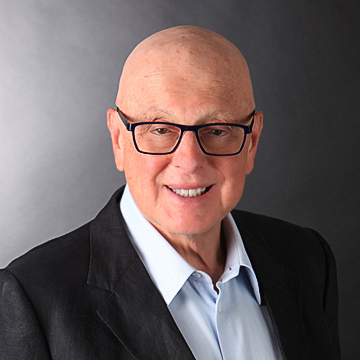
Larry Wolf is the cofounder, with David Cravit, of SuperAgingNews.com, a rapidly growing digital information service delivering the latest news, ideas, and trends about living longer, healthier, and more fulfilling lives well into our 80s and 90s—and beyond. Larry’s expertise is in identifying important consumer trends and capitalizing on them. As CEO of the Wolf Group, he has advised many Fortune 500 companies and governments on their branding and communications strategies. Larry saw the opportunity to change the way people approached aging itself, helping them become successful SuperAgers using the strategies and techniques that have guided his and David’s lives.
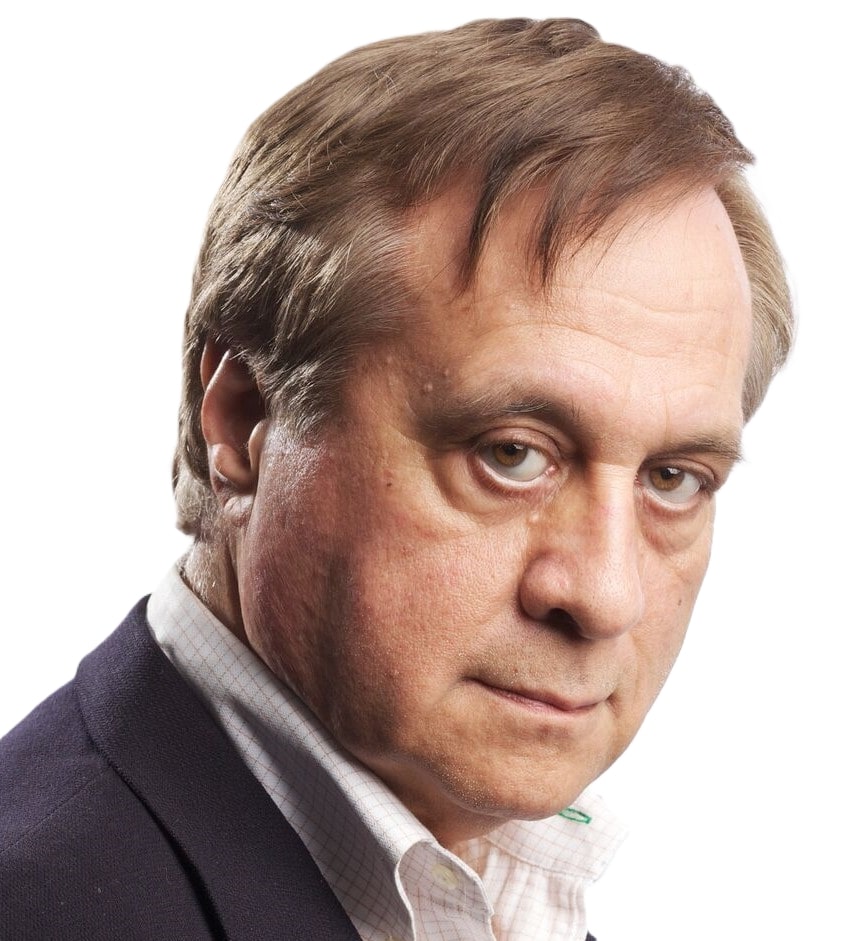
David Cravit has an established profile and track record in reporting on aging and related issues. He is the author of three previous books: The New Old, which discusses how the Baby Boomers reinvented aging, Beyond Age Rage, which examines the so-called war of the generations, and (with Larry Wolf) SuperAging: Getting Older Without Getting Old. He is also a cofounder of SuperAgingNews.com, which tracks the SuperAging revolution. He appears frequently on radio and television as a respected thought leader on the new trends and developments driving the emergence of SuperAging.