"Our Patients Are More Frightened and Sicker Than Ever" with Dr. Robin Canada and Elizabeth Whidden


Host Dr. Larry Barsh sits down with two frontline Philadelphia healthcare providers to discuss the mounting health crisis driven by fear of immigration enforcement in immigrant communities.
The conversation draws on a powerful New York Times op-ed the guests co-authored in February, titled "Our Patients Are More Frightened and Sicker Than Ever," and explores real patient stories, systemic failures, and what listeners can do to help.
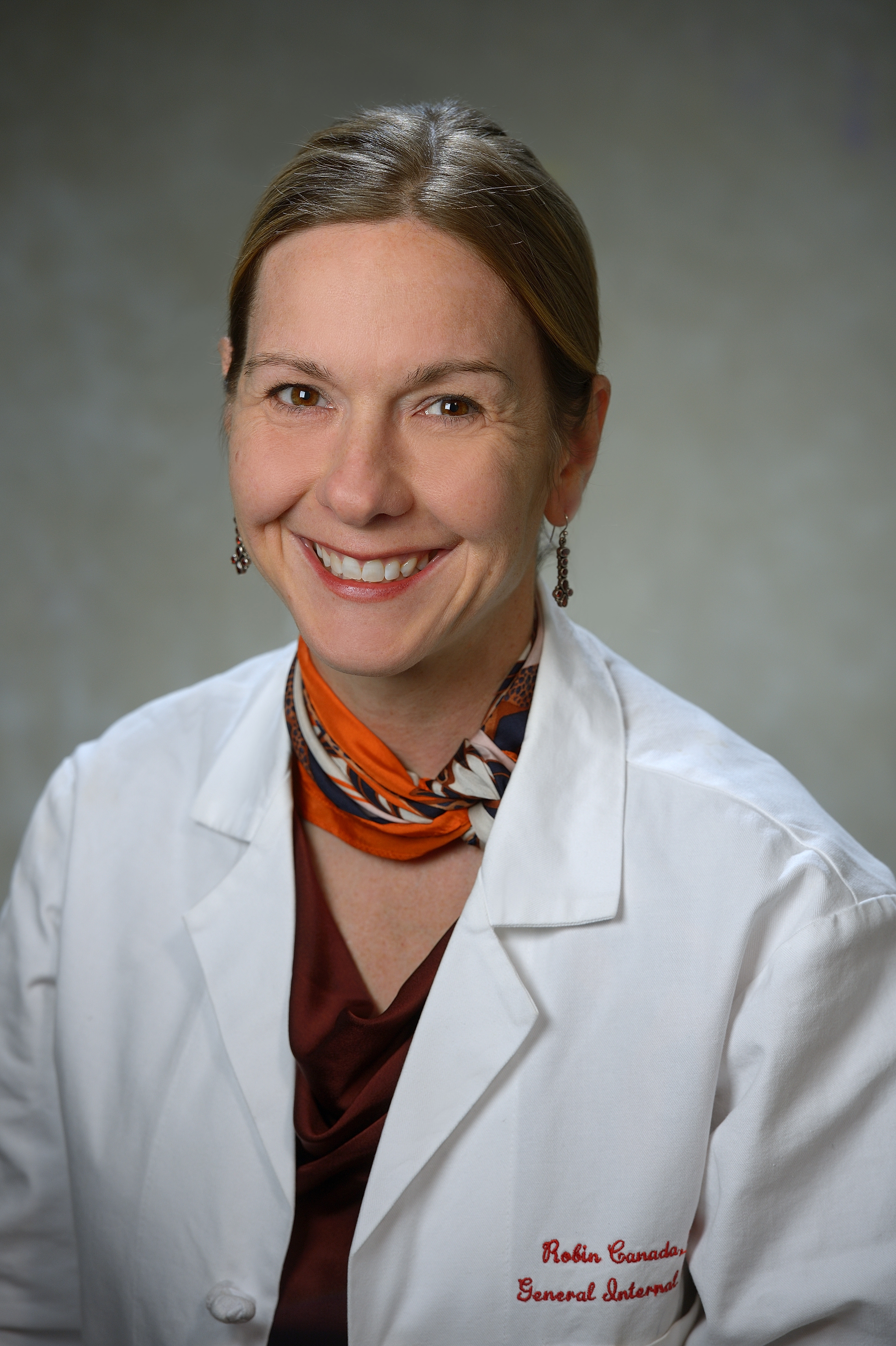
Dr. Robin Canada - Professor of Clinical Medicine, University of Pennsylvania's Perelman School of Medicine. Primary care physician and community health leader serving as Associate Division Chief for Community Engagement and Director of Residency Education at a clinic specifically for immigrant patients in South Philadelphia. Co-author of the February New York Times op-ed.
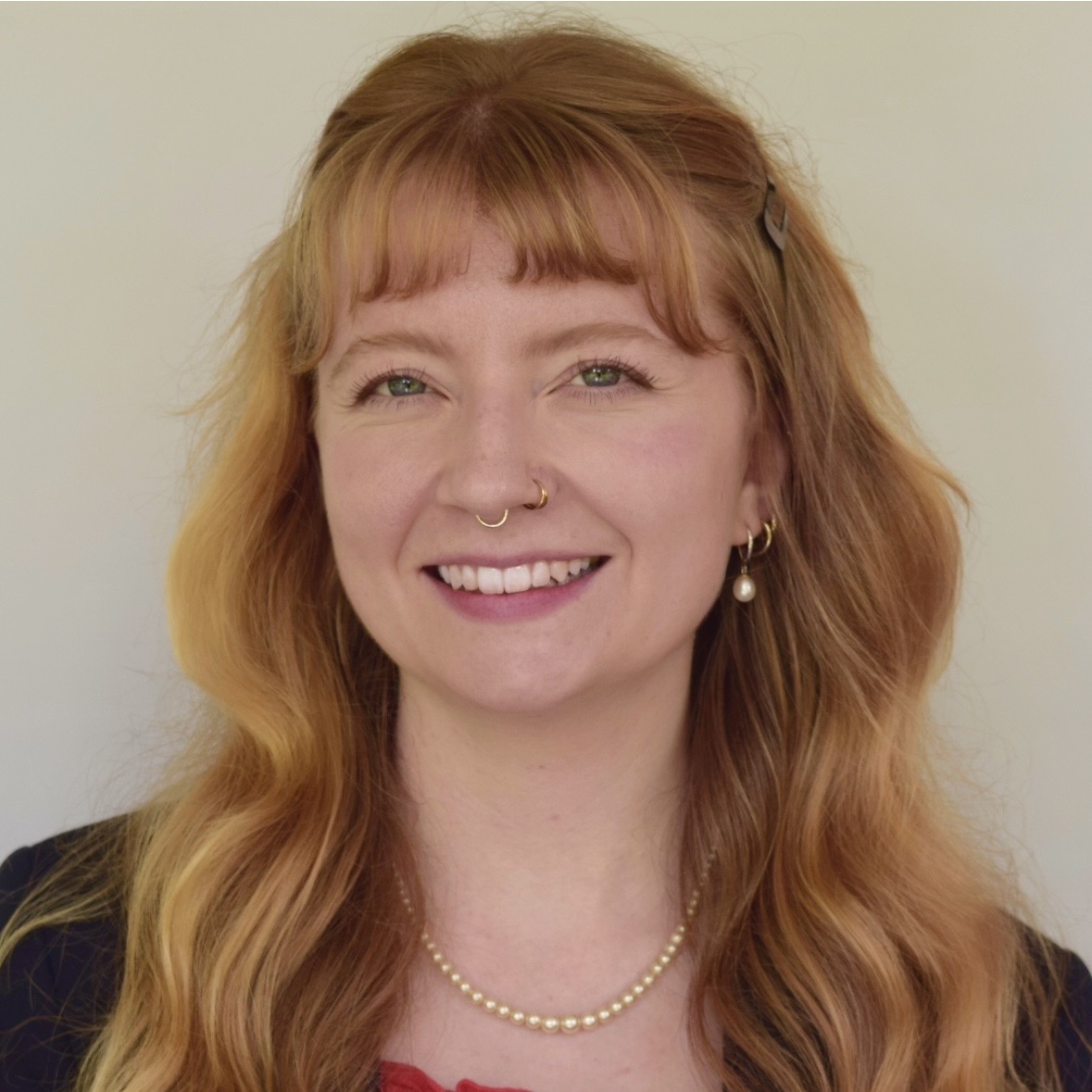
Elizabeth Whidden - Fifth-year MD/MPH student at the University of Pennsylvania, months away from beginning her residency in internal medicine. Former immigrant case manager. Current leader of an organization coordinating medical-legal partnerships for asylum seekers. Co-author of the February New York Times op-ed.Widespread fear in immigrant communities is causing patients to avoid medical care, even those with legal status.ICE activity has been described as indiscriminate — affecting documented residents, mixed-status families, and U.S. citizens.
Medical Consequences of Detention
Interruption of medications for diabetes, hypertension, post-stroke care, dialysis, and addiction leads to rapid deterioration.Reportedly 40+ detainee deaths in 2025; 6–8 already reported in 2026 (exact figures uncertain).
An ACLU analysis found roughly 95% of detention deaths between 2021–2024 were preventable with proper medical care.Detained individuals face lack of food access, irregular bathroom schedules, absence of exercise, and extreme psychological stress.
How Clinics Are Responding
Switching to phone-based telemedicine appointments when ICE threat levels are high.Locking clinic waiting rooms to prevent unannounced ICE entry; installing security in the vestibule.Increased proactive outreach to high-risk patients who have stopped coming in.
Writing letters of medical necessity for detained patients to support legal and consulate efforts.
Coordinating medical-legal partnerships for asylum seekers through student-led organizations.
Relevance to Seniors
Many caregivers in senior living and skilled nursing facilities come from immigrant communities — ICE enforcement directly disrupts elder care.Undocumented seniors are also directly affected — the episode highlights a man in his late 60s on dialysis being worked up for cancer who lives under dual threats of illness and deportation.
How You Can Help
Donate to legal aid organizations in your city — immigration lawyers are working around the clock on habeas petitions and there is a serious shortage.
Support safety-net clinics caring for immigrant patients — these communities often have no access to Medicaid, Medicare, or food assistance.
Search for immigrant rights organizations in your city — most have a "how to help" section on their website with both financial and volunteer opportunities.
Attend protests and rallies — as Dr. Canada notes, the world is watching, and advocacy from seniors carries special weight.
Stay informed and speak out — sharing the realities of what is happening in your community can shift the conversation.
Referenced Article
"Our Patients Are More Frightened and Sicker Than Ever" — New York Times op-ed, February 2025, by Dr. Robin Canada and Elizabeth Whidden.
The piece describes the devastating health consequences of immigration enforcement on patients in Philadelphia's South Side and calls for systemic reform.
Article by Dr, Canada
https://closler.org/passion-in-the-medical-profession/detained
Sponsorship and advertising opportunities are available on Specifically for Seniors. To inquire about details, please contact us at https://www.specificallyforseniors.com/contact/ .
Disclaimer: Unedited AI Transcript
Larry (00:07):
You are listening to specifically for Seniors, a podcast designed for a vibrant and diverse senior community. I'm your host, Dr. Larry Barsh Join me in a lineup of experts as we discuss a wide variety of topics that will empower, inform, entertain, and inspire as we celebrate the richness and wisdom of this incredible stage of life.
Larry (00:40):
We've all seen the headlines about ice actions, but today we're talking to those on the front lines of a humanitarian crisis happening right in our neighborhood clinics in Philadelphia. Physicians are fielding terrified, calls from patients who are just too scared to leave their homes for medical care, forcing their doctors to decide every day how to best protect those in their charge. Joining us are two remarkable medical professionals who co-authored a powerful New York Times op-ed this past February its title was, our patients are more frightened and sicker than ever. Dr. Robin Canada is a professor of clinical medicine at the University of Pennsylvania's Perelman School of Medicine. Beyond her role as a primary care physician. She's a leader in community health, serving as associate Division chief for community engagement and the director of residency education at a clinic specifically for immigrant patients. She's not only treating those on the margins, but also mentoring the next generation of residents to lead with equity and compassion. Elizabeth Whidden is a fifth year MD MPH student at Penn, just months away from beginning her residency in internal medicine. Elizabeth brings a unique perspective to the exam room before entering medical school. She worked as an immigrant case manager today. She continues that advocacy by leading an organization that coordinates medical legal partnerships for asylum seekers, ensuring that healthcare and legal rights go hand in hand. Robin Elizabeth, welcome to the show.
Dr. Robin Canada (02:58):
Thank you so much for the opportunity.
Elizabeth Whidden (03:01):
Yeah, we're happy to be here today.
Larry (03:03):
Yeah, thanks. I'm delighted to have you. Robin, you've been practicing medicine in South Philadelphia for years. You know these people by name, by history, by the things that they've entrusted you with in their lives. How has your practice changed in the last couple of months or year?
Dr. Robin Canada (03:32):
I think that we well we, first of all, we've always been very worried about this vulner liberal population. I would say that the state of anxiety that providers have in this moment with specifically patients not following up is more than it's ever been. But this population has always been one that works very hard to support their families and does not typically seek medical care until often it's too late. So we already sort of have that underlay, so then to have more patients staying away just makes that crisis even more for us. So I would say in the last few months, people like Elizabeth have been doing a lot more outreach to patients to try to get them into care. Patients that we know are already sick. Patients struggling with severe diabetes or high blood pressure even addiction issues. Just, just lots of outreach and concern and new clinical innovations to support those folks, which we can talk about later.
Larry (04:44):
What did you see in your clinic that made you write that New York piece?
Dr. Robin Canada (04:53):
Many of us who have been doing this work for a long time like I said, we've, we've been concerned for a long time and there has been threat of deportation for as long as I've been practicing. But what we've been seeing recently is such an uptick in ice activity and just the ripple effect of fear in our community. Even for folks who work at the clinic who are documenta documented and have legal status, like the fear that they have because apparent, you know, we don't, we know that things are happening indiscriminately regardless of folks' legal status. So that's, that's sort of the, the most recent events. Elizabeth, do you wanna, I feel like you can chime in on this one too.
Elizabeth Whidden (05:47):
Yes. I, I completely second everything that Dr. Canada said. I think it, it wasn't necessarily like one specific incident has just been I think the compounding like emotional stress that we as people who work with this community have been feeling over the past year seeing you know, patient after patient being really negatively affected and very scared. I think the cases that we mentioned in the article, I think were the most extreme. And I think seeing those prompted some of this action. But like I said, it's really been like the cumulative impact that this is having on our, on the community that we work with. And just, you know, increasing, you know, a sense of like moral indu, moral indu injury and distress that we are feeling,
Dr. Robin Canada (06:52):
I'm sorry. I was gonna say, in those particular cases that are mentioned those were patients they were known very well to us who were navigated from by Elizabeth and her team to our group at Penn because of high risk conditions. So we knew them extremely well, and they were in this very small sort of VIP medical complex group that needed that extra care. So for us, it was to have like two of those patients. And we only have a list of about 10 affected. So terribly was yes, was unthinkable and cause deep distress and, and we wanted to sound the alarm
Larry (07:34):
Without using any names. Can you describe one of those cases for people who haven't read that article?
Dr. Robin Canada (07:44):
Yes. I, maybe I can describe the one case and you can describe the, the second one. You'll know which one I'm choosing. So I found out recently that from an old, a neighbor that I had 17 years ago when I first moved in Philadelphia, that she had sent me her house cleaner. That patient was able to get care at, at our community clinic primary care and screening. And during her screening blood work, we discovered that she had liver disease. She was then triaged to Penn with a emergency Medicaid application, which allowed her to be seen went through a lot of testing. At one point there was a concern that she had liver cancer, but thankfully she didn't. And it turned out that she had cirrhosis, which is scarring of the liver. She was able to get lots of support from her family.
Dr. Robin Canada (08:46):
She also had like a wonderful neighbor who came to all her doctor's appointments at our Penn clinic, who helped to sort of navigate all the testing she needed. And she was really optimistic about her future. And again, like we met her several times both at our community clinic, sorry. And and also our academic clinic. We found out that found her young son and her husband were taken off the street and abducted by immigration and deported before she had any way to get them help. It was extremely traumatic. We did not see her during that time nor know it was happening. And the next we heard of her, she had gone off all of her medications, had become very depressed, and actually ended up having a life-threatening bleed and died in the intensive care unit alone. And she was, I think, 41. So you can see how a case like that would really devastate the community that cared for her and devastate the medical community. And I'm sure Philadelphians, if they knew the true story, would, would also be shocked and devastated. And maybe Elizabeth can talk about the other patient that she basically is responsible for really helping emergently.
Elizabeth Whidden (10:37):
Yeah. So this other patient was again, as Dr. Canada mentioned, a patient that we had both known and our team had known for I think about a year at that point, he had had a stroke very unexpectedly at like a fairly young age. And it had been a fairly debilitating stroke. And he had a, so he was dealing with a lot of repercussions of that and also undergoing workup to figure out why he had had this stroke. He had a young family here in Philadelphia and was on his way to work one morning with his brother when they were unexpectedly detained by ice in their neighborhood I think right outside their house in front of his, his young family. And the, his nephew was someone who I was very impressed with, like the level of knowledge that he had about how to respond to this.
Elizabeth Whidden (11:38):
'Cause This was back in the first couple of, of months of increased ice activity when I feel like people were less aware of what to do. But he immediately like asked for a warrant. The wife of our patient took photos of the, the van and the ICE officers, all of which were unmarked. They were not identified as being ice. But unfortunately he was detained in, in Philadelphia for several days and then transferred to Mo Shannon valley Detention Center, which is in Phillipsburg, Pennsylvania. Just a side note, I visited Mo Shannon last February to do an asylum evaluation. And it is like indescribable how awful it is. I was just in like the, you know, the visitor area where like family and lawyers and physicians go, and I have never been in a place so depressing.
Elizabeth Whidden (12:44):
So with like, so much like palpable, like racism in the air, it was, it was unbelievable. I've been in like Philadelphia jails before. It was a totally 10 times worse. And so this is where a lot of patients in this part of the country are, are being brought if they're not being transferred like to Texas for example. And we were very fortunate with this patient of ours that his wife called our team immediately. I happened to be across the street from Dr. Canada. I ran over there. We wrote a letter of what we call a letter of medical necessity, which is a letter documenting a, that a physician writes, documenting their patient's medical conditions and gives you know, recommendations of like necessary medical care. So Dr. Canada wrote that up and we were able to again, because his, his wife was really on top of things, had connected with the consulate we were able to find him an attorney and get him out of there in only a couple of weeks.
Elizabeth Whidden (13:52):
But I just wanna underscore the amount of like collective effort that took. It was like Dr. Canada, me, several other team members from our clinic to yeah. Mm-Hmm <affirmative>. The consulate. His family had set up a GoFundMe and raised $15,000. And with that effort, we were able to get them out. But you can imagine, you know, these are some of the most, like, the least resourced people in our country, if not the resource least resource people. And so most people don't have the connections and the community and the support that our patient did. And so, you know, he has a somewhat happy ending in that he's back home. He's undergoing like formal asylum proceedings, but in like, you know, under getting his due process. And many people are, are not getting that.
Larry (14:47):
Elizabeth you, you became a doctor to help people. How does this affect you personally, emotionally?
Elizabeth Whidden (14:59):
Yeah, it's, it's hard. I think on one hand this work is like the most rewarding thing I do with my day. I feel like I've, I've been able to be in these like unique positions to make a difference in people's lives in a way that is often you know, hard to do, especially as a student, it's also really, you know, frustrating to, to see how difficult and unfair these systems are and sometimes becomes really emotionally overwhelming. And I, you know, just a couple days ago I was helping a, a patient navigate a, a very complicated hospital situation, and I just like went home and cried because of all the, the barriers that this person had to trying to get this like, very necessary small minor surgery that enabled him to get his dialysis. Like it is just unbelievable the barriers that you know, lots of patients in the United States face, but particularly the community that we work with.
Elizabeth Whidden (16:18):
I feel really thankful that I have had exposure to this so early on in my career because it has very much guided, my experience through medical school has very much shaped my career goals. I have had really incredible mentors at Penn like Dr. Canada particularly who I think it's been so helpful to have people to kind of like debrief and talk through these really like challenging emotional situations. And I know we both, we've talked about how like cathartic it was to write that piece because at a time when it feels like no matter how hard you're trying to advocate for people, sometimes it doesn't feel like that's really even making, making a difference. So doing something like, like writing and being able to debrief with mentors, I think has been really, really important.
Larry (17:20):
One thing you mentioned was that the ice agents weren't identified, not just masks, no identification.
Elizabeth Whidden (17:32):
Yeah. So I mean, neither of us were there, but we do have photos. They were not wearing uniforms. And I have a photo of the van that our patient was taken in, and it was just like a normal SUV no identification on it.
Larry (17:51):
And the fear and worry among the people is not just for the undocumented, it's affecting legal residents and mixed status families as well. Robin?
Dr. Robin Canada (18:10):
Yes, I mean, I have a a friend who is a physician and her little sister, they are, you know, IM an immigrant family and, and she tells me that she's now her the emotional support for her little sister who's convinced that she's going to get like abducted and deported even though they have legal status. Their parents didn't. And so it's, I think everyone is on edge and like I said, I've definitely talked to who have legal status to be here. Some don't some do. The staff at my community clinic some have legal status to be here and some don't, but across the board, everyone is on edge because even if they have legal status, their neighbors don't. And so the fabric of their community is, is ripping around them.
Larry (19:07):
What actually happens to a sick person when they're detained and their medications and treatments stop? What happens to them as a person?
Dr. Robin Canada (19:19):
Yeah, I mean, we are not prison health physicians, right? So we're just extrapolating. And obviously funding, you know, funding has been cut to allow physicians to care for people in detention. But we, we see all the time the acute presentation of chronic disease. So you can imagine if you're not getting your insulin you feel terrible and eventually you're sick enough to need to be in the hospital. There are, I believe I had a, I think there were over 40 people who died in detention last year. And this year, in 2026 that online it says six to eight people. So they're not really sure if six people died or eight people died, which in itself is insane. Mm-Hmm <affirmative>. And I did find a statistic that the A CLU reported that 95% of deaths and detention from like, I think 21 to 24 would've been prevented with proper me medical care. So I think most of us feel like most dense deaths, excuse me, and detention are preventable. But I think it's really difficult to imagine what people are actually going through because it's not just not having the medications, right? It's like access to food and bathrooms at a normal time when you're on, when you need to do that. 'cause Medically sick it's lack of exercise. It's increased fear. I, I don't think any of us can imagine how horrible that must be.
Larry (20:58):
As Elizabeth described the facilities themselves are, are, are, are, are not livable,
Dr. Robin Canada (21:08):
Right?
Larry (21:09):
Are not humane.
Dr. Robin Canada (21:11):
They're not humane.
Larry (21:14):
How do you handle this when a patient calls and asks to come in and say they're too afraid to visit the doctor? What does the doctor say to them?
Dr. Robin Canada (21:28):
Well, I think at our clinic our front desk staff are getting those calls. And we definitely have offered telemedicine appointments for people, and it's not really telemedicine in the video way. It's a phone call with a physician or a nurse practitioner. We have shut down when ice threats have been high in Philadelphia and converted our visits to phone calls where we can check in with a patient, look at their chart call a pharmacy to refill their medication, remind them about when their next blood work is due, or review the last blood work. But we can't in good faith say that there's no concern and they should feel perfectly fine coming. We've spent a lot of time as a clinic and working in partnership with Penn to make the clinic as safe as possible. And one of the ways it's safe is that it's the clinic is tinted and the front door, which used to open into this really vibrant, boisterous waiting room full of like 40 people and kids running around is now all locked. So it's not a public space. So theoretically immigration cannot enter our clinic. There's also security guard inside the vestibule, which is a newer thing. And that's thanks to the city of Philadelphia. But again, we, we can't, I mean, it, it feels like our clinic has a a name about health written in Spanish on the sign. So in my mind, I don't think we're ever safe.
Larry (23:13):
And the threat goes on.
Dr. Robin Canada (23:16):
Yes, it does. And honestly, I, I think Elizabeth might agree, given what's happened in Chicago and Minnesota and even New York City we've had increased immigration in Philly, but it feels like it hasn't hit its peak. And I, I think we're all just bracing for when that day comes. Because Philadelphia is a sanctuary city, so we're on the target list for the current administration. So, and none, no one is, is relaxed. I think everyone is vigilant and concerned
Larry (23:55):
Democrats are demanding answers, autos, autopsy reports, investigations, legislation to keep ice out of hospitals and clinics from inside the clinic sitting with your patients. Does any of that feel like it's making a difference on the ground or does it feel very far away?
Elizabeth Whidden (24:22):
I think still feels very far away In Philadelphia. We have not had a massive ice presence. It has been more individual targeted or not even targeted, but more individual small scale raids that have been consistent. Absolutely. Which I think is what keeps the pervasive fear ongoing. But we have not felt, you know, we very much appreciate and support the Democrats efforts to reign in ICE's ability to do indiscriminate patrol. Absolutely. Ice officers should not be permitted to wear face coverings. They should be absolutely identifiable. Whether that would make a significant difference in the fear of our community, I think I'm not sure it would absolutely deaths in ice detention facilities should be investigated. Absolutely. should public health concerns in facilities be addressed? I don't believe that facilities are undergoing like independent inspections from like a public health perspective. And I think that needs to be the case. And so I urge our democratic lawmakers to continue to push for more control less indiscriminate targeting of communities, though I will say I think a lot, a lot would have to change for our, our patients and their communities to feel safe again. Again, having mask free ice agents with name tags is not, is not going to remove that fear.
Larry (26:23):
For someone listening to this who has always felt safe in this country and has never had a think about any of this for themselves or for relatives or friends, what do you want people to truly understand about what's happening right now to their neighbors in their own cities?
Dr. Robin Canada (26:53):
Well, I think just to level set you know, many of our patients and many of the people in this community have been here for, you know, 25 or 30 years and have children who are now, you know, in their twenties. And I think because we were a sanctuary city, Philadelphia has over like around 50,000, we think people living here without legal status. And it was a safe, safe enough place where if you put your head down and you worked hard at your job that things were gonna be okay, and maybe your kids would have a chance at the so-called American Dream.
Dr. Robin Canada (27:41):
And these are certainly people who, as far as anyone can tell us, have never committed crimes other than coming into this country looking for a better life. And, and honestly many of them were getting out of situations that were dangerous and never sought asylum in time or might not have qualified because Mexico is considered a safe country for in the us so it's hard to get asylum from Mexico. And so, you know, they've always been in threats but have been sort of allowed to be part of the fabric and have jobs and families. And now even that is at risk.
Dr. Robin Canada (28:25):
I also, I mean, for me personally, the reason why this new administration and this new threat is, is incredibly difficult is we all just lived through a pandemic as physicians with families fracturing around us our own and otherwise, and I will say the immigrant community in Philadelphia was extremely hurt by the pandemic because restaurant work is a huge source of not just food excuse me, not just income, but food for people. And so our patients were literally starving. And we had to switch early childhood focus to like running food deliveries in addition to trying to do medical care in a pandemic where so many people died of COVID in certain age groups, Latinos died at higher rates than any other ethnicity in Philadelphia. And so I, I think that our, our patients have just been working really hard and had so many setbacks with the pandemic and now and finally we're back on their feet. And Puentes was feeling like a really, I'm sorry, I keep doing that. Our community clinic was feeling like a really vibrant place, vibrant and a place full of hope and opportunity. And, and now, you know, the, well, the rug has been pulled out again. But this time it's, it's causing real damage. And in some cases, as we discussed in our op-ed, it, it's causing death. Yeah.
Elizabeth Whidden (29:55):
Yeah. So I know Dr. Canada said this earlier, but I think it is important for, for us you know, as more privileged people to recognize that a lot of these fears and anxieties are amped up now, but not entirely new. And so our undocumented patients have always felt fear about immigration and have always felt fear about their documentation status. But it, I think it was like, my sense is that, you know, it's been like an underlying fear, but people were still able to live their, you know, normal lives and work and take care of their families and themselves versus now people are scared to leave their houses. And like we've mentioned earlier other, other people of, of other immigration statuses besides being undocumented and even citizen people who are citizens themselves are scared of, of interacting with ICE for good reason. Because we've seen, we've seen even you know, white people born in the United States being you know, killed by ice. We've seen citizens being unfairly deported, and so of course people are scared. It's, we're in really, really scary times. Yeah, I wish I, I feel like I wish I had more like a hope, a more hopeful message to relay in this, but it really, there just isn't one,
Dr. Robin Canada (31:37):
Isn't what I would Oh, I was gonna say, I mean, and, and again, Elizabeth and I are, are not living as undocumented residents of this country. But I would say to people who are feeling like they want to help, like, you know, donate to legal services in your cities or in your communities that are helping these patients safety net clinics that are caring for them because these folks don't have, in general, don't have access to any assistance, right? Like no food stamps, no Medicaid, no medicare, no safety net. Unless they're extremely ill, and then they can get it for a very short period of time in our state. So just, you know, the, the amount of lawyers, immigration lawyers that are working, you know, 18 hours a day trying to file these like habeas petitions for folks that are unlawfully detained it's, it's incredible. We, the immigration lawyer shortage in Philadelphia is now evident because people can't even find a lawyer that's free. They're working so hard. And so there's a whole community of people outside of physicians, of course, who are, who are working to protect these communities. And I would say for folks that want to help, you know, think about supporting not just the clinics, but, but the legal aid that is really working for these patients right now.
Larry (33:05):
And in the senior community, the people that are being targeted are those who are caregivers to older adults in in senior living facilities and in skilled nursing facilities. So the actions of ice, and not only f affecting the people who are being targeted, but also a community that needs and I know about this on a personal level that needs these extremely caring individuals who do care for seniors as well.
Elizabeth Whidden (34:05):
I can, I also just highlight you know, the, the two, the patient stories that we shared in in our article we're both like fairly young and I think that contributed to some of the tragic aspect of it. But this is also affecting the undocumented senior community, many of whom have been living here for for decades and are struggling, you know, just as lots of seniors are to take care of their health. Just this morning before this call, I met up with a, a patient that Dr. Canada has known for a while who is in his late sixties and on dialysis and is getting worked up for cancer. And he is just, you know, trying to take care of himself the way, you know, anyone his age with his health conditions are. And he is, you know, dealing with all of that while also you know, not being stably insured and having to be scared about deportation. And he, if someone like him was detained. And I think this is something that keeps both me and Dr. Canada up at night seeing some of our most men, most medically vulnerable patients, and just wondering like, what would happen if this person were detained and wasn't able to get dialysis for several days or wasn't able to be on life saving medications. Like the people getting detained are not all young, 30-year-old healthy men. They're elderly people as well.
Larry (35:41):
And this was originally supposed to be targeting criminals that came in and were undocumented, and now it's affecting a broad range of, of people who have done their best to live in this country.
Dr. Robin Canada (36:01):
I was trying to get the statistic for a talk I was giving recently, and, you know, it's hard to get these statistics really for obvious reasons, but it seems like 70% of arrests are without a warrant currently. So we can, we can extrapolate what that means.
Larry (36:25):
So as far as those of us in the public who are not serving this community about, all we can do is donate to to legal legal groups that are trying to protect them or is there more? Yeah.
Dr. Robin Canada (36:53):
And, and, and clinics and also, I mean, protests, you know if people are comfortable and healthy enough to do that, that really matters. It may not feel like it's moving the needle, but the world is watching. And it also helps us feel like we're not alone in this, in this struggle. So I have a lot of senior patients, <laugh> at my clinic at Penn who are extremely politically active, and it always brings me such great joy to just hear what they're doing and, and the protests they've gone to and the, you know, the posters they've made and the donations that they've been able to give to local organizations helping us in this fight to protect our immigrant neighbors.
Elizabeth Whidden (37:43):
Most cities have immigrant, right, organ rights organizations which I imagine are pretty easy to find with just a quick Google search. And I think donating to them, and at least the ones here in Philadelphia have a, a section on their webpage of like, how, how can you help? And whether that's through, like Dr. Canada said, participating in rallies. I will say in, I, in the majority of the rallies I've gone to here in Philadelphia, there is a, a sign I'm always impressed by the number of seniors with really incredible handmade signs that are, they're there. They're not just a bunch of, you know, college students, <laugh>. Yeah. So I think, I think they're definitely lots of ways for people to get involved either financially or through their time. Yeah.
Larry (38:34):
Dr. Robin Canada, Elizabeth Whitten, thank you so much for opening our eyes. In addition to the article in the New York Times, thanks again for coming on specifically for seniors.
Dr. Robin Canada (38:53):
Thank you so much. We really loved meeting you and, and talking about this important topic.
Announcer (38:59):
Thank you so much. If you found this podcast interesting, fun or helpful, tell your friends and family and click on the follow or subscribe button. We'll let you know when new episodes are available. You've been listening to specifically for seniors. We'll talk more next time. Stay connected.
Medical Student
Elizabeth is in the final year of her MD/MPH training and will begin her internal medicine residency in a few months. Before medical school, she worked as an immigrant case manager and has continued similar work throughout her training, providing care support to patients seen in a Philadelphia community clinic. She also serves as student executive director of an organization that coordinates medical–legal partnerships for asylum seekers.
Physician
Dr. Robin Canada is a primary care physician whose practice and teaching has been focused on medically underserved patient populations. She works at the University of Pennsylvania and a safety net clinic for undocumented immigrants, and mentors medical students and residents interested in community health and health disparities at both sites. Dr. Canada worked with White Mountain Apache Tribe after her medical training and then returned to Penn and created an Indian Health Service elective for residents. She spent 4 years creating a Community Academic partnership through working as Staff Physician for one of Philadelphia’s safety net health centers. Through this novel collaboration, she started a second continuity clinic for primary care residents at this safety net site, allowing medical trainees to expand their clinical education beyond the walls of academia. Additionally, Dr. Canada created a didactic curriculum focused on the social drivers of health for medical residents.
Dr. Canada is an Associate Program Director for the Primary Care Internal Medicine Residency, the Associate Division Chief for Community Engagement for the Division of General Internal Medicine, and the Director of Residency Education at a clinic serving immigrant patients.