You Can't Retire From Purpose - What 40 Years of Cardiology Taught Dr. Alan Rozanski About Living


You Can't Retire From Purpose Dr. Alan Rozanski on the Six Domains of Health and What It Really Means to Age Well
In this episode, I sit down with Dr. Alan Rozanski — cardiologist, lifestyle medicine physician, professor at the Icahn School of Medicine at Mount Sinai, and a founding pioneer of behavioral cardiology. With nearly 300 published articles, Dr. Rozanski has spent 40 years studying how our physical and mental behaviors shape heart health.
What We Cover
The Aha Moment. Forty years ago, Dr. Rozanski watched patients' heart function deteriorate while simply talking about stress — just as it would on a treadmill. That observation launched a career exploring the mind-body connection.
The Six Domains of Health.
- Physical Health — Exercise, resistance training, sleep, and nutrition. After 30, we lose 3–8% of muscle mass per decade. Resistance training can slow that decline.
- Mindset — Optimists live longer and show better biological markers. Gratitude costs nothing but attention.
- Emotional Well-Being — Chronic depression is one of the heart's greatest threats. Happiness builds resilience and extends life.
- Social Connection — The size and quality of your social network is a powerful predictor of longevity.
- Sense of Purpose — "You can retire from a job, but you can never retire your need for purpose."
- Stress Management — Mild challenge stress promotes growth. Toxic, uncontrollable stress damages health. Boredom carries its own quiet risks.
The Biology. Mental states translate into physical disease through stress hormones, insulin resistance, inflammation, and even changes in brain structure. The good news: many of these changes are reversible.
Mental Clutter. Scattered attention drains energy. Focused work sprints and intentional recovery help protect mental clarity.
Healthcare Today. Dr. Rozanski speaks candidly about the geriatrician shortage, confusing nutritional guidelines, eroding doctor-patient time, and AI's emerging role in restoring it.
Key Takeaway Health is not the absence of disease — it is vitality. That feeling is available at 19, 60, and 99. The six domains are six doorways. Wherever you are, one of them is a place to start.
Connect with Dr. Rozanski Website: alanrozanski.com | LinkedIn: Dr. Alan RozanskiConnect with Dr. Alan Rozanski
Sponsorship and advertising opportunities are available on Specifically for Seniors. To inquire about details, please contact us at https://www.specificallyforseniors.com/contact/ .
DiscoAimder: Unedited AI transcript
Larry (00:07):
You are listening to specifically for Seniors, a podcast designed for a vibrant and diverse senior community. I'm your host, Dr. Larry BARSH. Join me in a lineup of experts as we discuss a wide variety of topics that will empower, inform, entertain, and inspire as we celebrate the richness and wisdom of this incredible stage of life.
Larry (00:41):
Hello all, and welcome to specifically for Seniors. I'm your host, Dr. Larry Barsch. Today's guest is Dr. Alan Rozanski. Dr. Rozanski is a cardiologist and lifestyle medicine physician. He's a professor of medicine at the Icahn School of Medicine at Mount Sinai and director of nuclear cardiology at Mount Sinai Morningside Hospital. He's the author of approximately 300 medical articles and is widely recognized as one of the founding pioneers of the field of behavior cardiology, which looks at the relationship between a wide variety of physical and mental health behaviors and heart disease. Welcome to specifically for seniors, Allen.
Alan Rozanski, MD (01:39):
Thank you. It's a pleasure to be here.
Larry (01:43):
You've said early in your career you had a realization that the body could quote, testify about what's healthy and what isn't. Tell us what you mean by that.
Alan Rozanski, MD (01:57):
Sure. Well, you know, I started off in plain clinical cardiology. I wanted to be a private practitioner but this new field came out called nuclear cardiology where we can image the heart during cardiac stress. And so it's a form of stress testing. And I became very interested in the physiology of, of the whole phenomena of, of stress testing patients. I wasn't really thinking in that time about looking at things like mental stress and so forth, but there had been data that came out that showed that while people engaged in their daily life activities using a new technique at that time called ambulatory electro electrocardiography, that people were developing abnormalities in heart function while driving the car and doing household activities and so forth. So we didn't understand it. So we decided, hmm, maybe we could model some of this in the laboratory, because after all, what we do in terms of patients with stress testing is we put 'em on a bike or a treadmill, and then we're able to image their heart.
Alan Rozanski, MD (03:02):
And one of the ways is looking at the wall motion of the heart while people are exercising. And if your heart function is normal, if you don't have significant blockages in your coronary arteries, then the heart beats more vigorously. But if you have a blockage, then the wall that is SubT tended by a blocked artery will start to slow down and maybe even stop moving transiently under the controlled setting of the stress testing. So we said, Hmm, why don't we do this during mental stress as well, you know, seeing if that would be a precipitant. I was interested in looking at physiology of the heart, not in terms of mental stress, but as we began to do this, we saw that in a number of our patients, while they were merely talking about the stress in their lives, we started to see the same abnormalities and function as when they were on a treadmill or on a bicycle. And that was very startling to us at that time. So that was my aha experience, and that drew me into looking at the whole mind body relationship. That work was about 40 years ago, and I've been studying it ever since.
Larry (04:08):
And you are a leading expert in pioneer in the field of behavioral cardiology, is that what you mean?
Alan Rozanski, MD (04:17):
Yeah, so that's a term that had, was popularized in the eighties and nineties, because until that time we were really looking at things like the effects of cholesterol, hypertension you know, insulin resistance, diabetes, but the data that was emerging looked at all these behavioral factors, which were also risk factors for heart disease. I mean, smoking is a, a big paradigm of that, but we were seeing more heart disease with depression and we were seeing data coming out in terms of people who were pessimistic and it was affecting heart function over the long term and in social isolation and then stress. So all of these things have become now recognized risk factors as well. So there is this appellation called behavioral cardiology to say, Hey, it's not just about biological factors, but behavioral factors are also important.
Larry (05:11):
And you've also been concerned about frailty in older Americans, and this led to the development of those six domains we just mentioned.
Alan Rozanski, MD (05:24):
Yes, frailty's a a big issue if we just focus on that for a second and then I can mention the six domains, but in terms of frailty is that as we age, we are all losing body strength, mass and power. In fact, after age 30, you're losing about three to 8% of your, your muscle mass per decade and after age, that accelerates. Now, that's, that's not destiny. That is grouped data in the community in which the majority of Americans are not doing resistance training. But if you do resistance training, you can definitely slow that progression. But if you don't, at a certain point, you are gonna become weaker progressively with age and things that you take for granted, like opening a jar can or being able to get up easily, being able to lift packages, playing, playing with grandchildren, they start to become issues in different ages as people age. And if you lose enough reserve, you can deve develop into the situation of fragility or frailty where people are, don't have as much reserve, and they don't bounce back wealth from illnesses. They start to slow in the walking and they're less resilient. So this is something that we need to pay a lot of attention to and we can do many things behaviorally to diminish the risk of that developing in people as we come seniors.
Larry (06:52):
So you're telling me I should keep going to gym?
Alan Rozanski, MD (06:55):
Yes, if you like going to a gym, you should keep going to a gym. If you don't like going to a gym, you can do a lot of things at home, but you should definitely take care of your muscles like every other part of your body, <laugh>.
Larry (07:09):
And having a dog keeps me walking, that's for sure.
Alan Rozanski, MD (07:16):
Absolutely. That's a great tool. <Laugh>
Larry (07:21):
I, we keep mentioning the six domains, and that's probably one of the most important things to talk about. Can we start covering those?
Alan Rozanski, MD (07:32):
Sure. So what happened probably about 10 years or two ago, all of this, I'll tell you, whatever we shared today wasn't like an overnight insight. It was really developed over four decades, but at some point, fairly early on, I began because of my scientific background to say, just objectively, gee, the body testifies as to what's healthy and unhealthy. We don't have to have a debate or a paradigm that's made up because it's arbitrary. We can apply science to this. Anything that promotes longevity, that decreases your risk for chronic disease and protects your physiology in ways we can measure like less inflammation or better, you know, glucose, insulin metabolism, those things are healthy. There's those things which will decrease, you know, longevity, early premature death cause disease and damage, your physiology is unhealthy. Smoking's a great paradigm for that. So when you look at that, we have what I call our four pillars of health on the physical side, exercise, resistance, training, good, healthy sleep, and a good, you know, nutritious diet.
Alan Rozanski, MD (08:42):
So those are four things if you do well and promote your health, and if you abuse those four areas, or if you're like sedentary and you don't do resistance training, you will have a faster decline in your health over time. But that's just the physical domain. When you look at just the way we think of mindsets, which is really powerful, we now have clear data over decades that people who are more optimistic, actually live longer, they have a lower risk of cardiovascular disease, and they have less evidence of inflammation better glucose metabolism, they have better health habits, they live longer pessimists. It's the opposite. So that's a second domain of health. Now, when you look at, let's say, the emotional domain and just picking out, let's say, depression from happiness, when we're chronically depressed, that is one of the biggest dangers to the heart because basically the whole physiology of the body goes awry.
Alan Rozanski, MD (09:39):
When people are depressed, you have increase in your stress hormones, cortisol, norepinephrine, you develop insulin resistance, visceral fat, inflammation, cardiovascular disease, we don't tolerate depression. Well, that's why it's so important to treat, but not of course, just biologically because it's just such a painful thing for people. But when people are happy, they actually are more resilient. They also live longer. So that's the third domain. A fourth domain is our social life. So data, back in the late 1970s, there was a study called the Alameda County Study because it was performed in Alameda County. It was the first study by Lisa Berkman in the late 1970s. And at that time, that was big news. They looked at people's social network, just the number of people that you had in your life, that it was part of your community and the larger your social network, the longer you lived.
Alan Rozanski, MD (10:33):
And this was true in men and women. And within years there was many studies showing the same thing. And then data came out in terms of the quality of your social relationships. And now we have over hundreds of studies and many men analyses, which have shown the power of our social life in terms of its protective effect on health. So that's your fourth domain, your fifth domain in terms of the science of this is only about 20 years old, but we've had now enough studies that are consistent that when people have a strong sense of life purpose, they also live longer and they have a less risk of heart disease. And the final six theory is how you handle stress. And here we have an interesting story because it turns out that there's a kind of a u-shaped relationship between stress and health in terms of the peak, or best part of this is when we have a mild to moderate amount of stress.
Alan Rozanski, MD (11:27):
In other words, when we're in our, there's a, there's a sweet spot when we are, we're built to, you know, pursue meaning and challenge in life. And that comes with stress. So that kind of stress, where we're pursuing challenges, there's associated with a sense of growth, a sense of confidence in yourself and wellbeing. But on the other hand, when stress is too, too strong, when it's toxic, when it has elements of being overwhelming, when it has a, a lot of negativity, emotional negativity, and you don't feel you can control it, that over time can be health damaging in a profound way. On the flip side, when people feel like, I don't have any, I'm bored, I don't have a sense of purpose in my life they made it feel stress but they'll feel boredom, and that's also unhealthy. So those are your six domains of health, all completely evidence-based. Honestly, I didn't make it up. I just looked at the data and that's how it spoke to me. So how do we accomplish all that?
Alan Rozanski, MD (12:30):
The great news is that what this means is these are six entrees to health. In other words, it's not about, you know, having a certain perfection in life and so forth. Wherever we are in our life, we can look at our health, which I define a little bit different than most people. I've gotten out for many years in fact asking people, how do you define health? Because I realized over time people had euphemisms for it. We understand disease well and our mel medical system functions and appropriately in many ways, as, as, as if health was the absence of disease. Not that people think that that's the definition of health, but physicians are attuned to taking care of disease and looking at how to preve prevent disease. But that doesn't necessarily define health. Just like, you know, not being depressed doesn't define being happy.
Alan Rozanski, MD (13:25):
Happiness is something much more than just not being depressed. Health is much more than just not having disease. So what is health? Health is this sense of vitality we have. It's the best definition we have for health and vitality is that inner pleasurable feeling of feeling alive and energetic in life. And that is open to you when you're 99, as well as when you were 19. And so how do you get there? Well, all these six domains of health, when you are pursuing them, promote more vitality. When you are exercising regularly, you feel more energetic. When you have better mindsets and you're more optimistic in your outlook, you have more vitality. When you're happier, you have more vitality. When you have a better social life, when you have a strongest sense of purpose, when you feel you're handling the stress in your life, well, all of those things promote more vitality.
Alan Rozanski, MD (14:19):
So, but you don't ask, gee, how do I do all of these things at once? You say, wait, these are entres. If I'm not having as much vitality in my life as I'd like to have, let's look at these six domains. What, where am I, you know, not doing so well that maybe dragging me down a bit. Maybe I need to spend more time investing in friendships. Maybe I need to eat better. Maybe I need to get more sleep. Maybe I need to find a better sense of, of, of purpose in my work. So these are all entrees to, to better health.
Larry (14:54):
But it doesn't necessarily mean you should walk around with a smile on your face every minute of every day. That's correct. Or does it?
Alan Rozanski, MD (15:04):
No, it does not. It doesn't mean nothing's forced here. You know we should, if we wanna have better health, we can look at the cognitive part and mindsets and say, the body gives us a roadmap. What are those mindsets that promote you know, feeling better? So it turns out that, you know, being more optimistic is one of them. It turns out having a sense of gratitude is actually associated also with longer longevity. And it's something no one has resistance to. We just don't do the work. We just, you know, are so busy in our lives today, you know, doing the things we have to do. We don't take time out to pause. We don't take out enough time, I believe, to cherish, you know, our blessings. We understand intellectually if we do, we would feel better. And, you know, people who do do that do feel better, but it's a, it's a choice that we get to make about that.
Larry (16:02):
What's the biological mechanism behind a, a mindset translating into physical heart disease?
Alan Rozanski, MD (16:13):
Well, that, that's a great question. And it's, it's, it's multifactorial. If you look at something on the negative side the signal can be very strong. For example, we mentioned depression. So the stress hormones go up with that. When you're under a form of toxic stress, the stress hormones also go up. So when you have elevated norepinephrine levels and cortisol levels, it starts to affect different parts of the body from the bone marrow to the metabolic system. So you have impairment in glucose, insulin metabolism, you have an increased risk for insulin resistance, and eventually over long term diabetes more micro inflammation in the body, you have a greater risk for developed hypertension in terms of depression. It can even affect the platelet functions of, of individuals. And, and very importantly, it can affect brain health. So people who actually are chronically depressed actually have enlargement of their amygdala and shrinkage of the prefrontal cortex and even their hippocampus.
Alan Rozanski, MD (17:20):
Now these are changes of plasticity. So if you take steps to reduce your depression, you can favorably change these things. So that's, that's the that's the good news about that. But one of the other important way that these factors affect our health, there's just merely on their effect they have on their physical health habits. So when you look at people who are pessimistic or they're depressed or they're lonely, or they don't feel a sense of purpose in life, just empirically the data indicates they're much less likely to exercise. They're certainly less likely to do assistance training. They may not sleep as well, and they have poor diets. And that has a profound effect on our health. So there is this bidirectional relationship between our health habits and our mental wellbeing. It's very profound. And then that then translates into how it affects our biology.
Larry (18:17):
So in, in one instance diabetes for example, it's not just eating too much sugar. There's a mental part of this that's almost as problematical.
Alan Rozanski, MD (18:38):
There's many things that affect our insulin metabolism and increase our risk for diabetes. There is no question that overeating and gaining weight plays a profound role. Yep. And if you'll look at, since we've had this epidemic of people living with obesity since the 1980s, which has spread worldwide, associated with that has been a marked increase in the number of people who have diabetes as well. However, it is not the only factor. So for example a, a great percentage of the way you handle glucose metabolism in your body is through your muscles. Your muscles is a a metabolic powerhouse. And people who exercise regularly and people who work out with resistance training regularly actually have better glucose insulin metabolism. And that can decrease your risk of diabetes.
Larry (19:36):
And the mental component to it as well.
Alan Rozanski, MD (19:40):
Yes, the mental component also plays a role. The, particularly with when it's on a negative side because it's chronic, it's painful. And what happens on the negative side is one thing begets another. So if you are, you're pessimistic, or let's say if you're depressed, you also have, you have more pessimism, you are less active in your social life. You may not be functioning as well in terms of your sense of purpose, and it's a stress state in its own. So that becomes a vicious cycle, if you will. You develop this pathophysiological soup that ref, you know, in indicates the youth cumulative cumulative effects of all these things. The positive side is you can develop a virtual, a virtuous cycle. So if you take any one of these domains and you say, Hmm, let me you know, start to exercise more, well, what happens is we see that people exercise more, actually have a decreased risk of depression. It's been used in randomized trials as a comparison to antidepressant medication, and in three large trials showed both were equally effective, essentially in reducing the risk of depression. So you exercise, it's affecting you physically but it's also affecting you mentally. And one thing leads to the other in a positive sense.
Larry (20:59):
So there's an actual scientifically proven mind body connection,
Alan Rozanski, MD (21:06):
A hundred percent, a thousand percent, no question about it.
Larry (21:10):
And, and you've mentioned mental clutter taking a real toll. What do you mean by mental clutter?
Alan Rozanski, MD (21:20):
So what happens today is that it's not something that has to occur, but we know that we're all in the environment of having to deal with it. Because what happens is that we're built in a way that when we can focus clearly, and particularly goals that we enjoy, we actually feel better involved in focused work. You know, it's like as if you would take a light bulb and compare it to laser light, right? Laser is monochromatic light, it's highly focused, very energetic, and white light from a light bulb is, is is polychromatic, right? It gives you a lot of light, but it's not as focused. Same thing with our, with our energy in terms of our mental clarity and so forth. And there's actually a work that was done by in, in the 1990s by a group of investigators where they characterized this phenomenon called flow.
Alan Rozanski, MD (22:21):
Flow is a concept that's applied to being involved in an activity where you feel very engaged, you have no distractions, it's challenging to you. And during that time, you have a sense of losing perspective in terms of what of time you're so enraptured in what you're doing. It's described as very pleasurable. It's the ballerina, you know, doing her thing or the guy playing the violin, basketball players on the court, someone writing who's in flow, a surgeon who is in the middle of an operation and everything else is blocked out, and you can go for long hours, right? Because often, you know, in terms of mental work, we have to, we, we tired the muscle, the cognitive muscles get tired, but when you're in flow, you have a lot more energy and so forth. So flow is great when you convene it, but other times you can't.
Alan Rozanski, MD (23:13):
But you can still be in, we would be called deep work where you're not dealing with much distractions, but once you're distracted you're dissipating your mental energy. And it's also been studied that there's even this cognitive residue, so that when you are, you know, going from one thing surfing to another, and then going back to your work, there's a little bit of a cognitive residue from where you just were, that's mentally fatiguing. So that's this mental clutter, which can actually, you know, feel not as pleasurable and can be, you know, mentally fatiguing. So it's good to be aware of it and to set boundaries around the deep work we have to do, which means, you know, working over periods where you're avoiding distraction, maybe putting your cell phone aside and, and in figuring out how long can I go before I get tired?
Alan Rozanski, MD (24:01):
So there's different techniques today that people employ you know, like a a 90 minute mental sprint, you know, 90 minutes of focused work and then taking 20 or 30 minutes and, and and and taking time to, to relax and so forth. Just, just on LinkedIn, I actually, I wrote a post about this two posts this week, one earlier in the week where I talked about the importance of keeping your energy up for your, the sake of your mental clarity. And then there was an article in the Wall Street Journal two days ago that talked about four strategies for protecting your energy. Because, you know, working just nine to five today is not as common as it used to be. Very often we're working from early in the morning, but we're at work, and then we're bringing home work, or we're on the emails at night and so forth, and we get tired, and we need better strategies for how to maintain our energy. When we en maintain our energy strongly, we think more clearly. So we have to think about strategies to protect our mental clarity.
Larry (25:08):
So with, with seniors is there a benefit to active mental stimulation as opposed to passive mental stimulation? In other words, actively working on a problem like, like creating a podcast or just sitting back and absorbing what someone else has done?
Alan Rozanski, MD (25:35):
8000%, again, just starting from the science of it, the MacArthur Foundation had a network where they were looking at successful aging, and they commissioned a study where they looked at people between the age of 70 and 80 years old, and they had a series of questions, but one of them was very interesting. They asked these participants in this study, how useful do you feel in your life? And the people who reported a low sense of feeling useful had an inordinately increased risk of mortality over the 10 years of the study. So in other words, we are built to pursue purpose. And what I say is that you can retire from a job in life, but you can never retire your need for purpose. Your need for purpose exists till your dying day. In fact, I'll just give you some more science about it.
Alan Rozanski, MD (26:27):
This was a study done years and years ago by Judy Rodin and Ellen Langer, who's a noted mindfulness expert at Harvard. And early in their career, they did this randomized control studies that's really strong science. They went into a nursing home and they gave the participants, all of them a plant, but they were randomized into two groups. Half of them were told, here's a new plant but you've gotta take care of it. You've gotta water it. And the other half were told, here's a new plant and, you know, enjoy it. We'll come and water it every day. And so what happened over the course of the few years of follow up, the people who were assigned to take care of the plant had half the death rate compared to the group who just passively enjoyed the plant. So it just speaks to the power of purpose. So as you get older, as you become a senior, you know what, having that am still having ambition and having a sense of purpose is like water to a plant. That's, that's what keeps us, that's what keeps us young and vital and, and energetic.
Larry (27:36):
That's, that's interesting. When you in your office sit across from a cardiac patient, how much of your conversation is about cholesterol and how much is about psychological and lifestyle matters?
Alan Rozanski, MD (27:57):
Well, you know, I've had different phases in my career. I mean, I started off in cardiac imaging, then became director of our, our cardiac rehab program when I was at Cedar Sinai Medical Center years ago. And at that point, everything was about lifestyle medicine. And then I got more, you know, in the academic realm, eventually became involved in teaching our fellows and, and administrative work. But in all situations where I had patient contact, it was always about both dealing with the patient holistically, but always dealing with their risk factor is biologically high, high blood pressure, diabetes risk you know, any bad negative health habits like smoking cholesterol for sure. But I was always attuned to, are you exercising attuned because of my rehab days into the importance of resistance training. Maybe didn't talk to patients enough about sleep, but in later years I did. And then diet, probably not as much as I should have, honestly, because these important questions and back in the day, I wasn't perhaps paying much attention to it as I've done in, in recent years and decades. For sure.
Larry (29:17):
Let's go on to, to something a little different, if you don't mind. Sure. this is a charged moment in American healthcare with significant policy shifts with questions about the future of programs like Medicare and Medicaid. And do, do you mind talking about how the current political climate around healthcare affected your practice?
Alan Rozanski, MD (29:54):
Well, that's a great question. So there's many layers to this, right? I mean, there's the layers of guidelines and what we issue to the public. And one of the challenges there is where you have competing opinions about guidelines. I mean, just take all of the work that's come out in terms of nutrition and the guidelines which change every five years. We debate our eggs, healthy or unhealthy. How much protein do we need to have? Is sugar, you know, the big villain or is it more and this confuses the public, right? So it, it's, it's, it's a, it's a problem when we have these confusing messages. We have another aspect of this, which is that there's a lot of desire to publish new findings and studies that come out. So every time there's a new study that showed that stress did that, or stress did that in terms of, you know, its health effects, we're saying messages to the public that stress is bad for you.
Alan Rozanski, MD (31:06):
And well, you know, it's such a much more nuanced reality. Actually stress is something we do pursue. As I said earlier, there are forms of stress, which are, you know, bad for people, but overall there's a lot of upside to stress. And in fact, what you tell yourself about stress is important. So that's a, a big aspect of this. There are areas where, you know, I worry about that. We, we, we, we are growing in technological expertise and we have the ability to pursue perfection in or, or near perfection or, you know, let's, let's have, now there's this new imaging modality and now we can add this component to it and that component to it. And yet, this drives up the cost of healthcare. And there are aspects of healthcare, which I feel are not being sufficiently funded to reach the public, but I worry about, well, how do we make these judgments?
Alan Rozanski, MD (32:11):
Well, so that's not a, you know, there, there, there are things because that my level of being involved in, in administration over years that, that I've thought about. On the other hand, I have to say at the level of the average doctor taking care of the patient, I stand up. It is just what the most doctors I know know they're doing god's work and have such tremendous fulfillment in a sense of, of pleasure in taking care of their patients. And I feel very grateful 'cause I'm a patient too, of the doctors that I've had take care of me. So it's on a, on a daily basis, we have such a blessing in terms of healthcare here. There's always things to fix. There's always things we can work on to do better in, in my own personal way, I'm trying to be involved in that. So I think the biggest problem has been this mixed messages we're sending on this top level in terms of guidelines. We have to do a better job of clarifying the messages we're giving to patients.
Larry (33:16):
There's been a, how to say this, a, a, a decrease, I think in personal interaction pushed on by the mechanisms of health care with the time between a doctor and his patient, or her patient has been sort of systematically decreased. That worries me.
Alan Rozanski, MD (33:51):
Yes. I think that we've recognized that in the health field. I mean, it's felt by the patient. It's also felt by the physician often with great frustration. The also, you know part of the blessing of people living longer in all of these technologies is that we have older patients with more complex medical problems, and we don't have nearly the number of doctors we have to have. We have a real true doctor shortage, and that's even including nurse practitioners and physical and PAs and so forth, you know and you see that there's a increasing weight that many patients are experiencing today to see their endocrinologist or rheumatologist or their neurologist and so forth. And I worry about that a great deal. On the other hand, there are things being used. For example, we've been used to the doctor having, they're back to the patient while they're charting something in, into the computer because they have to do that for the you know, generate the electronic medical report. But now using ai, increasingly doctors are not having to do that. They say, you know, they'll just record the conversation and AI will summarize it. And the benefit of that is the doctors are now having more face time with the patient. Again the use of str of scribes more and so forth, we need to fix this lack of, of the shortage we have. It's, it's, it's a, that, that is a big, big, big, big good challenge for us. No question.
Larry (35:30):
How, how does patients absorbing a lot of misinformation on the internet from drug ads on television? How does that affect your practice?
Alan Rozanski, MD (35:47):
Well, I'm not in that particular situation with, with patients at the moment, but I'm clearly aware of all of that. Look,
Alan Rozanski, MD (35:58):
Society progresses and there's the good and the bad. You know, everything's a power, and the power can be used good or can be used bad. So it's, it's be holding on the consumer to figure out how can I use all of the blessings of information wisely? Understanding there can be misinformation. So there is a benefit to understanding, hmm, you might get good information from ai, but you have to be careful with it. And, you know, you have to use it in conjunction as an aid to working with your healthcare providers and with knowledgeable people. It's incumbent upon everybody to develop a social network, which has, you know, the different components that help you in your life whether that be a lawyer, if you need that, a good accountant but developing a good healthcare team if you can. And that can include more knowledgeable people, older patients, you know, family members who may be in the health field. A lot of this is, you know, the, the effort we put into becoming knowledgeable and, and humble enough to hear, you know, different points of view and, and square to say, Hey, I'm getting clear and more clear in terms of what I have to do with for my own health.
Larry (37:23):
And one of the nice, nicer developments of a specialty, I think is the more frequent availability of gerontologists. Their outlook is a lot different. I found as I've aged than internists, for example,
Alan Rozanski, MD (37:46):
You are actually hitting on something important. I mean, they are these more global physicians looking at the complex issues in older patients, but we have a huge shortage of geriatric physicians in this country. It is actually a small subspecialty, even while our population, given the boomer baby boomer generation now, you know, actively needing a lot of healthcare we don't have enough geriatricians I believe we need many more.
Larry (38:16):
Looking back, a over the four decade career of yours is there anything you wish you had been taught or found out about early in your career?
Speaker 4 (38:32):
<Laugh>
Alan Rozanski, MD (38:36):
Of course, <laugh>. Absolutely. You know I feel very blessed that I had a career that was extremely unusual by accident, by accident, because what happened was, you know, I was gonna be a general practitioner doctor and a practitioner, and I would've enjoyed that so much, but I got involved in nuclear cardiology. It led, led to an academic career. Then it led to, with this work on mental stress into this body mind relationship work it led to me meeting people like Norman Cousins early in my career, who was, in my opinion, the father of positive psychology. And we became very close, and it affected my outlook in terms of how I progressed in my medical career. I was fortunate when I was at Cedars Sinai Medical Center early my career to work with two doctors, Dr. Dan Berman and Dr. George Diamond, who were terrific, but they had different points of view on the same subject.
Alan Rozanski, MD (39:36):
And I became the person who had to make the piece between them. And that taught me how to, to to think critically. And all of those things shaped me over the course of decades. And I feel like I'm still a novice learning at this point of time. I'm not just saying that, you know, I'm, I'm sincerely feeling that because there's always so much more we have to grow. So, yeah, I, of course, the more I had known this earlier, even for my own self, for example I'll give you an anecdote. I, I always was, I thought doing everything for my physical health, but what was I doing? I was jogging, jogging, jogging until, you know, one day I developed a knee injury and then I had eventually to have a meniscus repair, and then I had to change my ways. But I did not know in my early career about the importance of resistance training. So I've tried to catch up, but I would've been better off doing that early on in my life all these decades, but I didn't know. But my mission is to, to take this generation and make them aware of all the amazing things they can do when they're 20, 30, 50. Or even if you're starting when you're 80, there's so much you can do to improve your health and, you know, live the next two or three decades of your life with more vitality.
Alan Rozanski, MD (40:55):
We should mention your website where there's more information. Sure, sure. So you can find me if the listener here's listening to is on it's alan rozanski.com. So I have their, you know, all the podcasts I've done such as this one when people hear it and I've done quite a few and I write a lot of blogs. I'm developing a whole new series on what is health, which will be out in a few months. And I also am extremely active on LinkedIn, so I post twice a week, and there, if people wanna connect with me and, you know, send me private messages, I will respond to people that way too. So that's the second way to be in touch with me. Also, I have a newsletter I put out per month, which you can sign up for on my website.
Larry (41:45):
And that's all on alan rozanski.com?
Alan Rozanski, MD (41:49):
That's correct. That's correct.
Larry (41:51):
Alan, thanks for being on, specifically for seniors today. I have no doubt this episode will resonate with many people and perhaps even inspire some of them to take that first step toward better health and greater vitality.
Alan Rozanski, MD (42:09):
Oh, sure. My pleasure. Thank you for having me.
Larry (42:12):
You can learn more about Dr. Lansky's work, read his blogs, and listen to his podcasts@allenrozanski.com. If today's episode resonated with you, please, please share it with someone who needs to hear it, because great health advice is always better when it's passed along.
Announcer (42:43):
If you found this podcast interesting, fun, or helpful, tell your friends and family and click on the follow or subscribe button. We'll let you know when new episodes are available. You've been listening to specifically for seniors. We'll talk more next time. Stay connected.
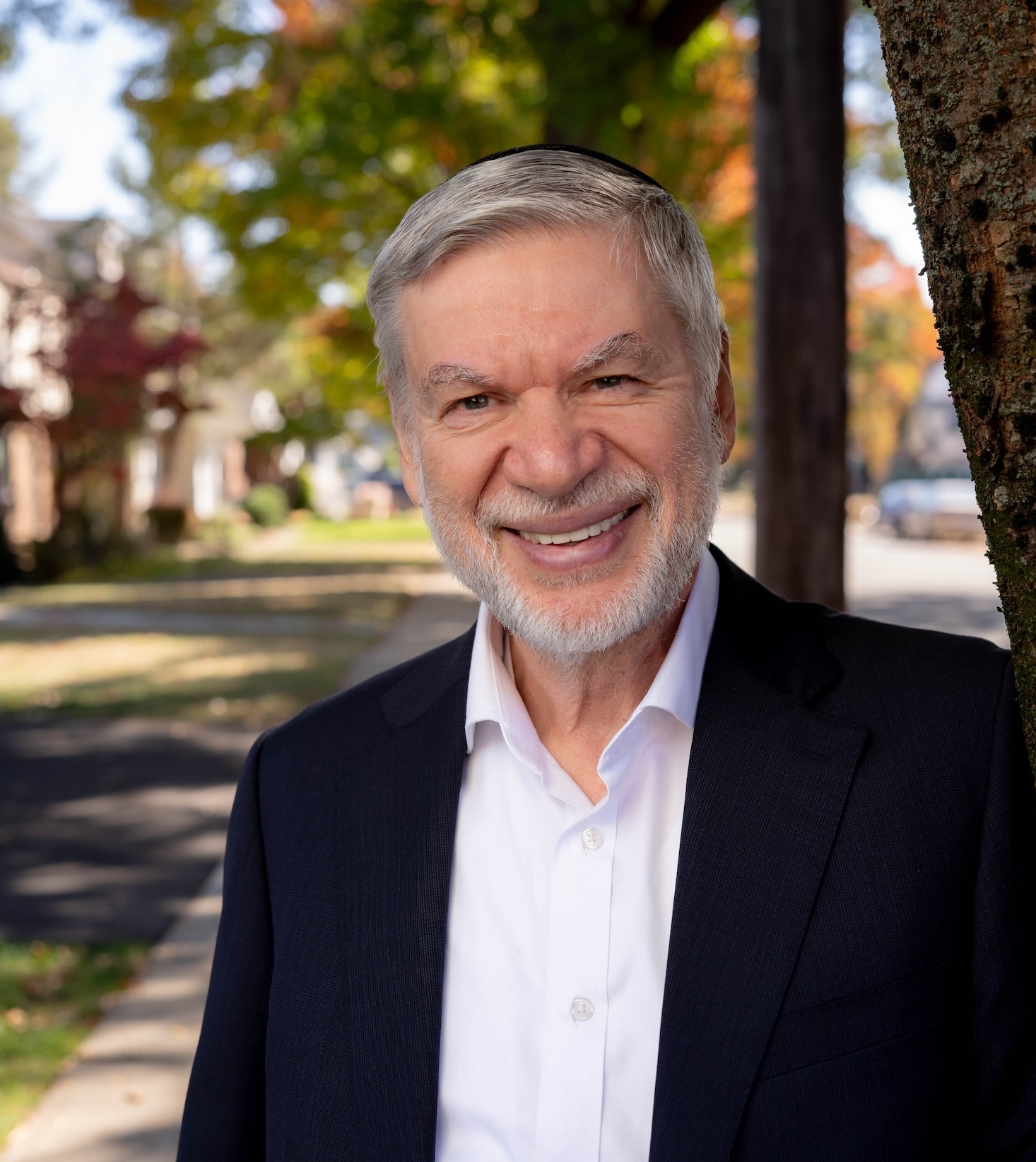
Cardiologist
Dr. Alan Rozanski is a distinguished Professor of Medicine at the Icahn School of Medicine at Mount Sinai and Director of Nuclear Cardiology at Mount Sinai St. Luke, and he has dedicated his career to exploring and pioneering research to help clients understand how to maintain and enhance vitality in their daily lives.
Early in his medical career, Dr. Rozanski performed novel research which established a strong link between psychological stress and heart disease. These findings led to a two-year Sabbatical Fellowship from the MacArthur Foundation to study mind-body medicine. During this time, Dr. Rozanski began his longtime collaboration with many of our nation’s leading behavioral medicine scientists. Following his sabbatical, Dr. Rozanski founded a large integrative program in Preventive and Rehabilitative Cardiology at Cedars Sinai Medical Center in Los Angeles.
In 1990, Dr. Rozanski joined St. Luke’s Roosevelt Hospital in New York, now known as Mount Sinai Morningside and Mount Sinai West Hospitals. During his tenure there, he has served as Professor of Medicine, Director of Nuclear Cardiology, and the leader of the Cardiology Fellowship training program. He also previously served as Chief of Cardiology for the Institution.
Throughout his clinical and academic career, Dr. Rozanski has conducted groundbreaking research in the arena of health and wellness. He has co-authored over 300 peer-reviewed medical articles and book chapters, many of which are regarded as seminal contributions in the medical field. Dr. Rozanski is also a master educator,…Read More